Start Your Book Printing Project
Share a few details about your book. JetPrint will review your specifications and help you identify the suitable printing, paper, binding, and finishing options for your project.
A standard board book and a hardcover board book may use similar thick interior pages, but the outer construction changes the product more than many buyers expect. This guide compares structure, durability, retail presentation, safety considerations, production risk, and which format makes sense for different children’s publishing projects.
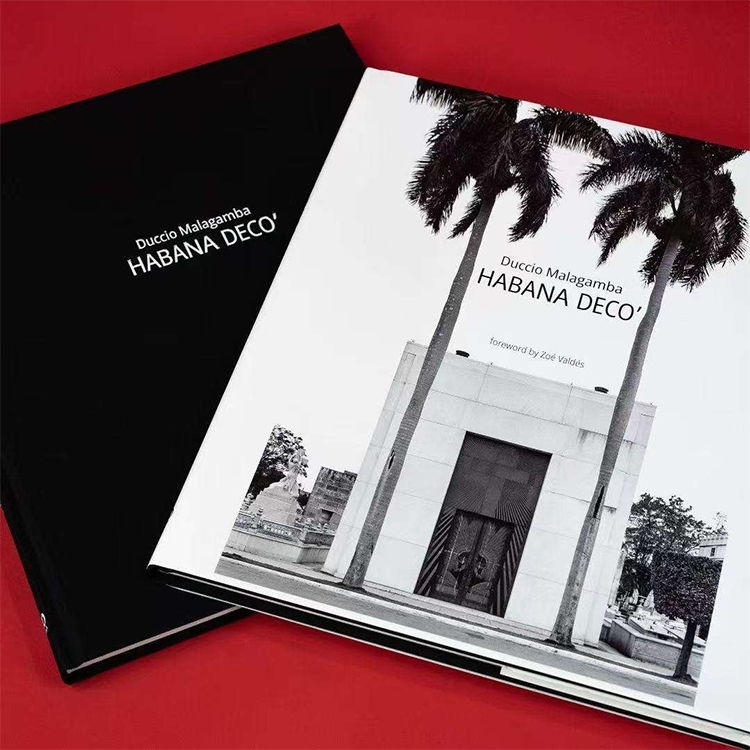
Hardcover and paperback books can use the same interior printing but create very different production costs, freight requirements, retail positioning, and inventory risk. This guide explains how bulk buyers should choose between them before requesting a printing quote.
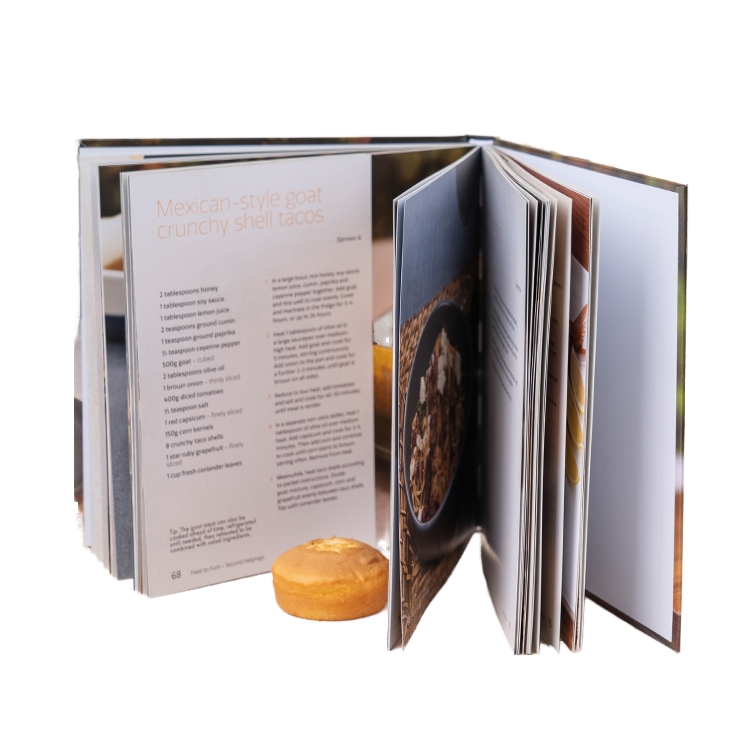
Case wrap and dust jacket hardcovers may share the same rigid casebound structure, but they behave very differently in production, retail, handling, and design. This guide explains where each format wins, what buyers routinely misunderstand, and how to specify the right hardcover construction before requesting a printing quote.
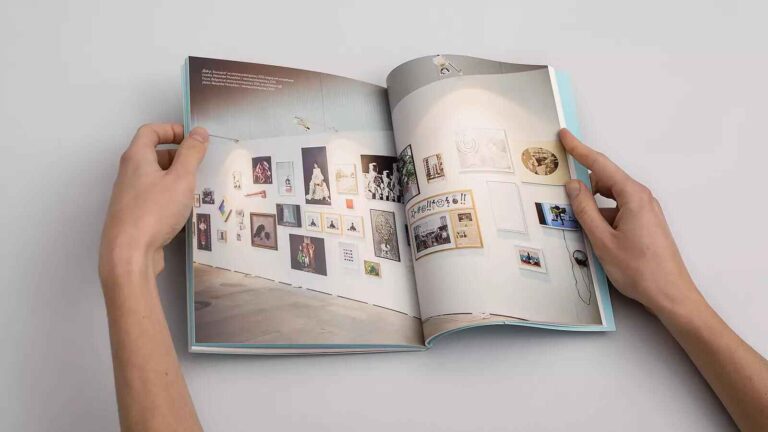
Museum catalog printing fails when teams treat it like ordinary commercial print. This guide explains how museums should control image files, proofs, paper, binding, editorial risk, production schedules, and supplier accountability before an exhibition deadline turns every small mistake into an expensive emergency.
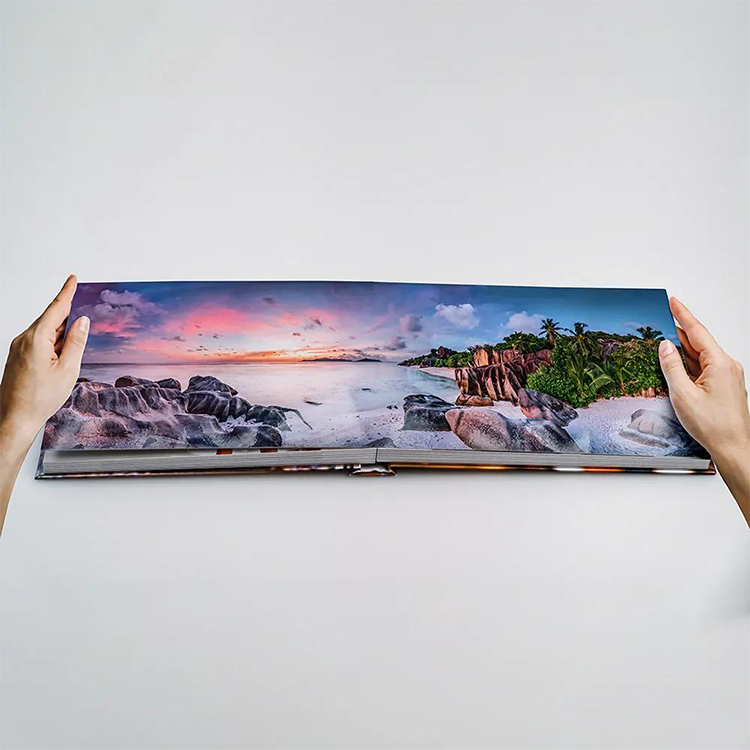
Lay-flat binding is not one standardized construction. This guide compares five practical options for illustrated books, explains how each handles panoramic artwork and center gutters, and identifies the production questions publishers should settle before approving paper, page count, artwork, or a binding quotation.
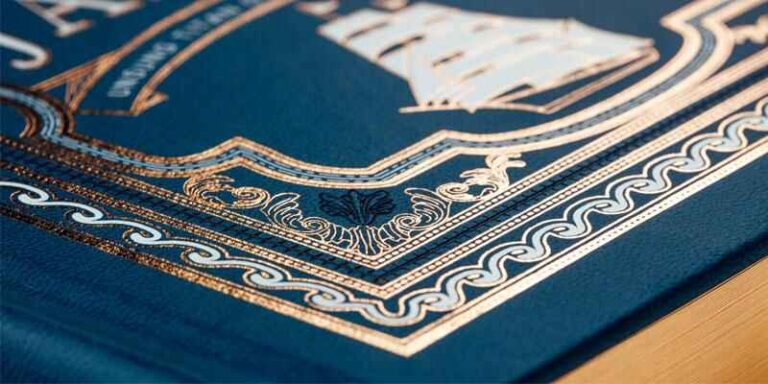
Foil, embossing, and spot UV can make an ordinary cover feel collectible—or expose weak artwork and poor production planning. This guide explains how each print finishing process works, where it performs best, and what buyers should confirm before approving production.
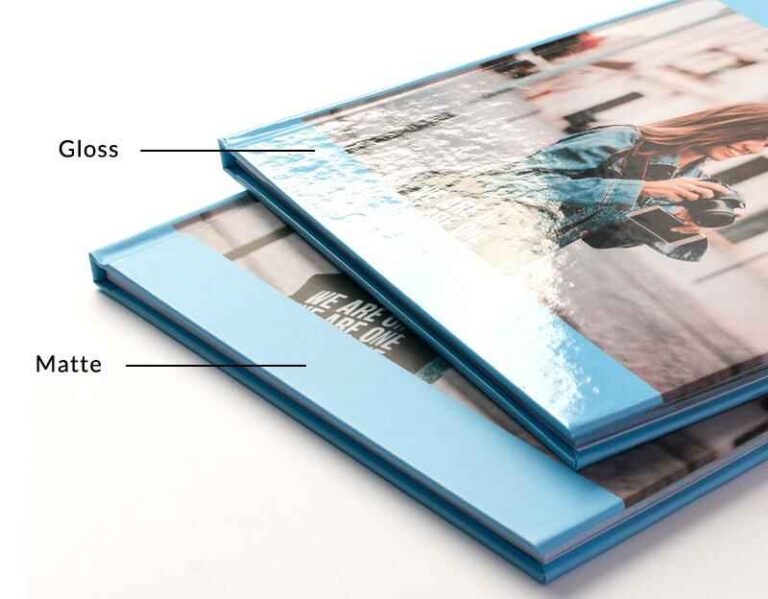
Matte lamination looks restrained and reduces glare, while gloss lamination intensifies color and contrast. This guide explains how each finish performs on real books, packaging, dark ink coverage, folds, foil, embossing, and retail displays.
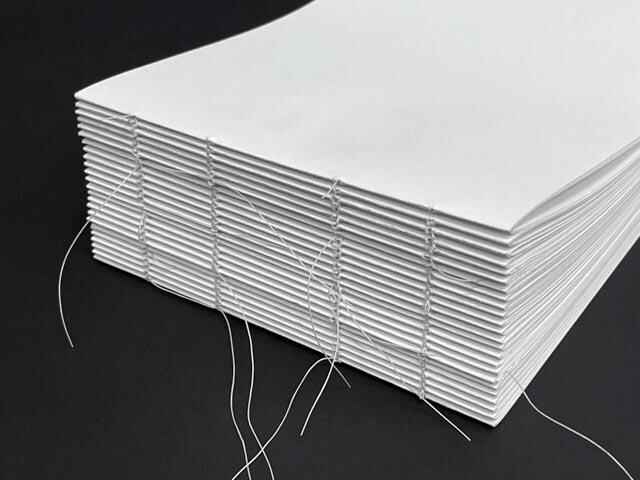
Sewn binding is often sold as the premium choice, while perfect binding is treated as the budget option. That framing is incomplete. This comparison examines how page structure, adhesives, paper, usage, testing, and production economics determine which binding actually performs better.
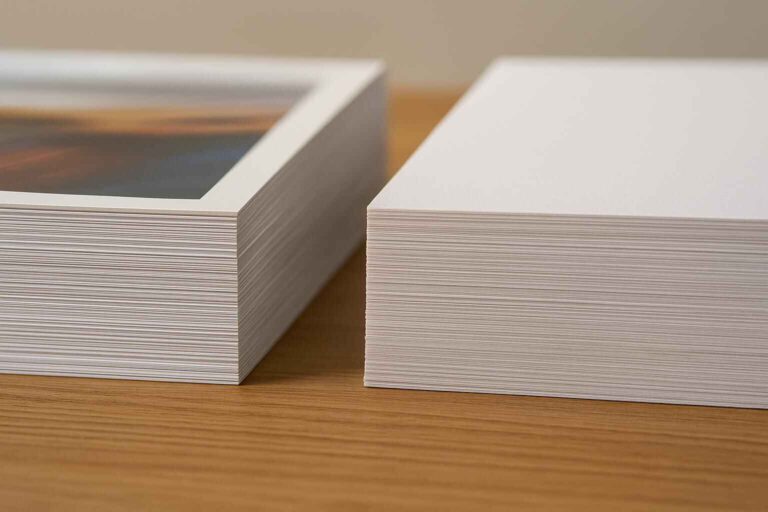
Coated paper makes images sharper and colors denser, while uncoated paper improves readability, writing comfort, and tactile warmth. This guide explains how surface, weight, opacity, binding, ink coverage, and reader behavior should shape your final book paper specification.

Book printing minimums are not arbitrary numbers. This guide explains how digital and offset production, binding, materials, finishing, shipping and inventory risk determine the most economical order quantity for a publishing project.