Start Your Book Printing Project
Share a few details about your book. JetPrint will review your specifications and help you identify the suitable printing, paper, binding, and finishing options for your project.


The jacket moves.
That sounds almost too obvious to matter, yet that single removable component changes artwork dimensions, finishing, production steps, handling risk, packing expectations, retail presentation, replacement options, and even the amount of marketing copy a publisher can place around a hardcover book.
So why do buyers still compare these formats as if the only difference were appearance?
I think the terminology deserves some cleanup first.
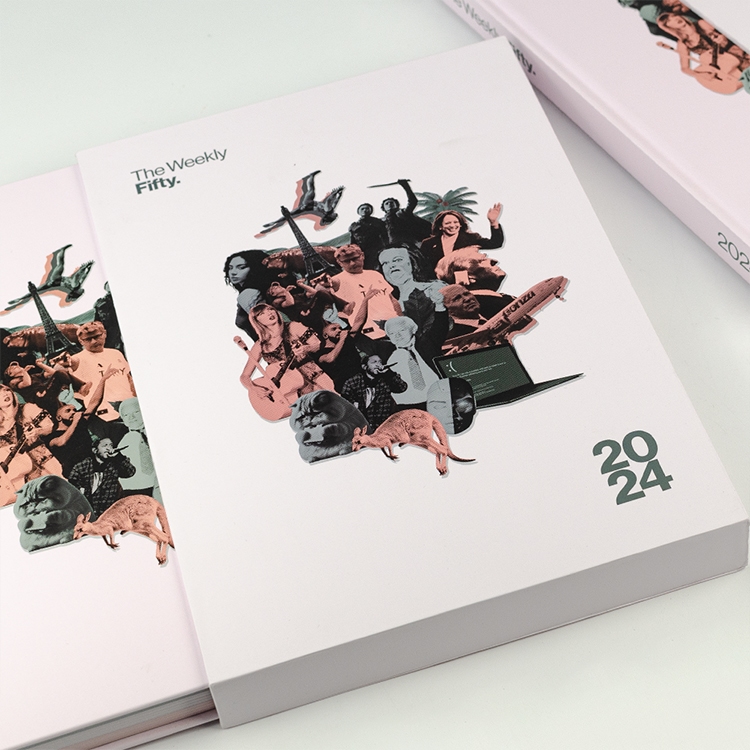
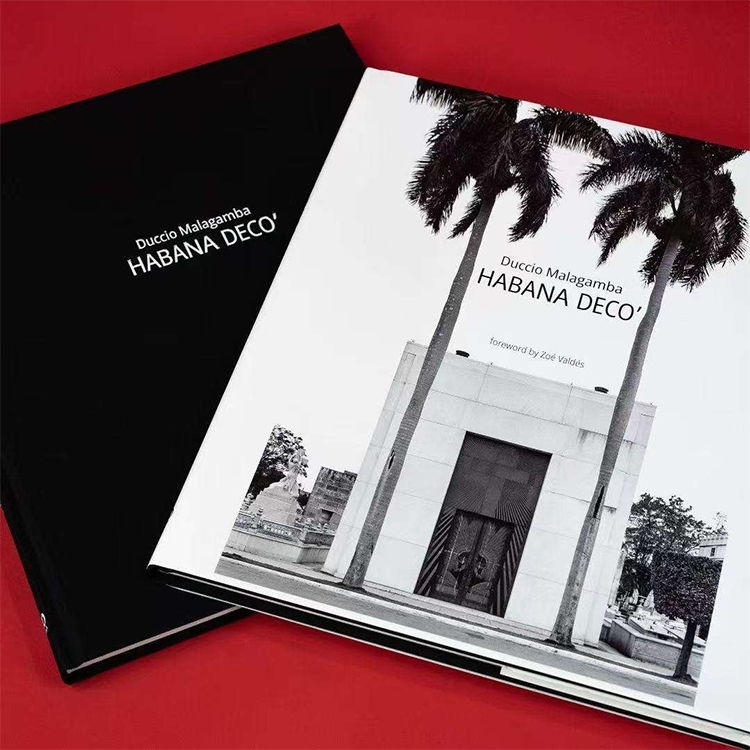
A case-wrapped hardcover, often called a printed case, image wrap, or case laminate hardcover, has printed artwork permanently wrapped around the rigid cover boards. A dust-jacket hardcover has a removable printed sheet wrapped around the finished hardcover case, normally with folded front and back flaps.
But here is the part many buying guides blur: “casebound” and “dust jacket” are not opposites.
A dust-jacket book is normally still casebound.
And a printed case can even have a dust jacket over it.
That distinction changes how publishers should compare the two.
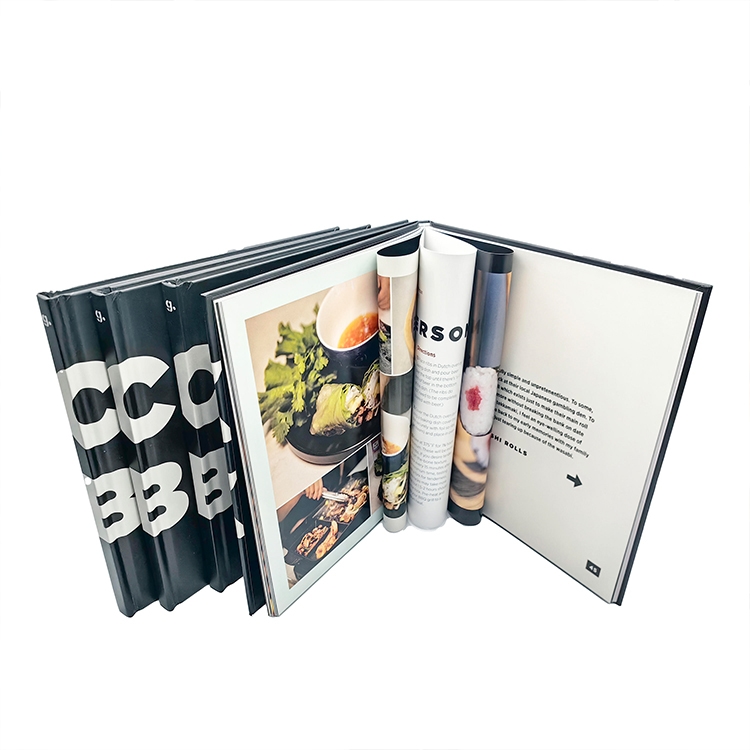
When I evaluate a hardcover specification, I separate the book structure from the cover presentation.
The basic hardcover may contain a bound book block, endpapers, rigid cover boards, a spine structure, covering material, and optional decorative components. JetPrint’s hardcover book printing options already show how the same hardcover category can include printed cases, clothbound formats, foil treatments, illustrated covers, and dust-jacket editions.
The dust jacket sits outside that structure.
The U.S. Library of Congress defines a book jacket as a removable paper cover used to protect a book’s binding and often to promote the book itself. That second function matters enormously in commercial publishing.
Library of Congress guidance on book jackets
A case wrap hardcover uses printed cover material that is permanently mounted around the rigid boards of the book.
The front artwork, spine artwork, and back artwork become part of the physical case. Depending on the specification, the printed surface may then receive matte or gloss lamination or another suitable surface treatment.
There is nothing loose to remove.
That simplicity is why I like case wrap for projects expected to survive repeated handling: educational books, cookbooks, children’s titles, reference books, branded publications, some manuals, and books sold into environments where nobody wants to keep track of a removable jacket.
The cover itself carries the identity.
A dust jacket is a separate printed cover wrapped around a hardcover book.
Its front panel covers the front board. The spine panel wraps around the spine. The back panel covers the back board. Front and rear flaps fold inside the book’s covers.
Those flaps are valuable.
They can carry:
A printed case has front, spine, and back surfaces.
A jacket has those surfaces plus two flaps.
For a trade publisher, that extra space can matter more than the protective function.
Yes.
This is one of the most commonly misunderstood points in casebound vs dust jacket comparisons.
BookBaby, for example, distinguishes an adhesive case wrap hardcover from an adhesive case wrap hardcover with a dust jacket. In other words, printed case and jacket are not mechanically exclusive choices.
BookBaby hardcover binding guide
That combination can make sense for collector editions because removing the jacket does not reveal a visually empty exterior.
But it also means you are producing two decorated cover surfaces.
That costs money.
Forget adjectives like “premium” for a moment.
They hide too much.
Here is the comparison I would actually put in front of a purchasing team.
| Factor | Case-Wrapped Hardcover | Dust-Jacket Hardcover | What the Buyer Should Ask |
|---|---|---|---|
| Outer artwork | Permanently attached to case | Printed on removable jacket | Does artwork need to survive without a loose component? |
| Handling | No jacket to tear, slip, crease, or disappear | Jacket edges and flaps require more care | Will the book receive heavy repeated handling? |
| Marketing space | Front, spine, back | Front, spine, back, plus flaps | Do you need author copy, endorsements, or additional selling space? |
| Production steps | Simpler exterior construction | Adds separate printing, finishing, folding, fitting, and inspection | Has the quote included the complete jacket specification? |
| Perceived style | Direct, modern, practical | Traditional trade-publishing appearance | What does the target market expect? |
| Lamination | Common on printed wrap | Frequently considered for jacket surface as well | Matte, gloss, or another treatment? |
| Replacement | Damaged artwork normally means damaged case | Jacket can theoretically be replaced separately | Will replacement jackets ever be required? |
| Shelving | Artwork always remains visible | Jacket may be removed or lost | Is visual identification important after years of use? |
| Flap copy | None | Usually available | Does the marketing team need that space? |
| Packing | Straightforward | Jacket must remain aligned and undamaged | How will books be protected inside cartons? |
| Special finishes | Can be applied directly to case wrap | Can be applied to jacket and/or underlying case | Which surface actually needs the finish? |
| Best fit | Heavy-use and straightforward editions | Retail, literary, gift, collector, and presentation-led editions | What is the book supposed to accomplish? |
Notice what is missing.
A universal price difference.
Anyone telling you that a dust jacket “always costs exactly X% more” without knowing trim size, quantity, jacket stock, printing colors, lamination, flap dimensions, finishing, underlying case material, packing, and proofing requirements is guessing.
I would not build a purchase order around that number.
This part is fairly simple.
A permanent printed case has fewer exposed moving parts.
No flap catches the edge of a shelf. No loose jacket slides upward when somebody grabs the book. No jacket gets removed in a classroom and put back on the wrong copy. No torn paper suddenly makes an otherwise sound book look abused.
Less can work.
That does not mean the printed surface is indestructible. Dark matte covers can reveal scuffing. Corners can receive impact damage. Lamination can still be poorly applied. Abrasion can still occur.
If you’re deciding between surface treatments, the choice deserves its own evaluation; JetPrint’s guide to matte vs gloss lamination explains why glare, color appearance, scuff visibility, folds, and downstream finishing should be considered together.
But the case wrap does remove one obvious failure point: the loose paper jacket.
Dust jackets can protect a hardcover.
But the jacket itself needs protection.
Bellevue University’s Freeman/Lozier Library described retaining dust jackets on newly acquired hardcover books while adding clear glossy covers over the jackets. The library specifically cited protection against scratches, scuffs, spills, tearing, and wrinkling.
Bellevue University Library dust-jacket case study
That tells us something useful.
A dust jacket is protective, but in a high-handling environment the protection chain can become:
book case → dust jacket → protective jacket cover
For a collectible first edition, that may be perfectly reasonable.
For 3,000 school textbooks?
I would question whether the removable layer is solving a real problem or simply introducing another component that has to survive the user.
The Library of Congress offers an equally revealing example. Its general collections usually do not retain book jackets, while the Rare Book and Special Collections Division retains them when preserving the entire book package matters.
Different purpose. Different decision.
That is exactly how publishers should think.
Hardcover is not some ceremonial format surviving on nostalgia.
The Association of American Publishers reported in February 2026 that U.S. Trade hardback revenue reached $307.6 million in December 2025, up 13.5% from December 2024. Total Trade consumer-book revenue that month reached $830.4 million.
AAP December 2025 StatShot report
That does not tell us what percentage of those hardbacks carried dust jackets.
It does tell us something more useful: hardback remains a commercially relevant format, and publishers still have good reason to care about how a hardcover presents itself in stores, online photography, gifting, review copies, special editions, and launch campaigns.
The jacket sells.
I would treat that as its strongest argument.
Imagine a hardcover novel.
The front needs one strong visual message. The spine needs readable identification. The back may need description, endorsements, barcode information, publisher marks, and perhaps review quotes.
It gets crowded quickly.
Add flaps and the design starts breathing again.
The front flap can carry the synopsis.
The rear flap can hold author information.
The back panel can remain visually controlled instead of becoming a wall of tiny text.
For publishers planning hardcover novel printing, that distinction can be commercially meaningful because fiction is often sold through presentation before the customer has read a single page.
That is not superficial.
That is retail.
I dislike quotations that contain one line saying:
“Hardcover + dust jacket.”
That is not enough information to manufacture responsibly.
A proper dust-jacket specification must eventually resolve its own dimensions, substrate, artwork, color, finishing, flap width, spine width, fold positions, bleed, trimming, and relationship with the completed case.
And the spine is dangerous.
If the final book block thickness changes because paper changes, page count changes, or binding construction changes, the hardcover spine can change.
Then the jacket spine may change too.
A production workflow that treats paper, binding, cover, and jacket as isolated decisions is asking for corrections later. JetPrint’s book printing capabilities overview makes the same broader point: trim size, paper, book-block thickness, spine, binding, cover files, and finishing are connected decisions.
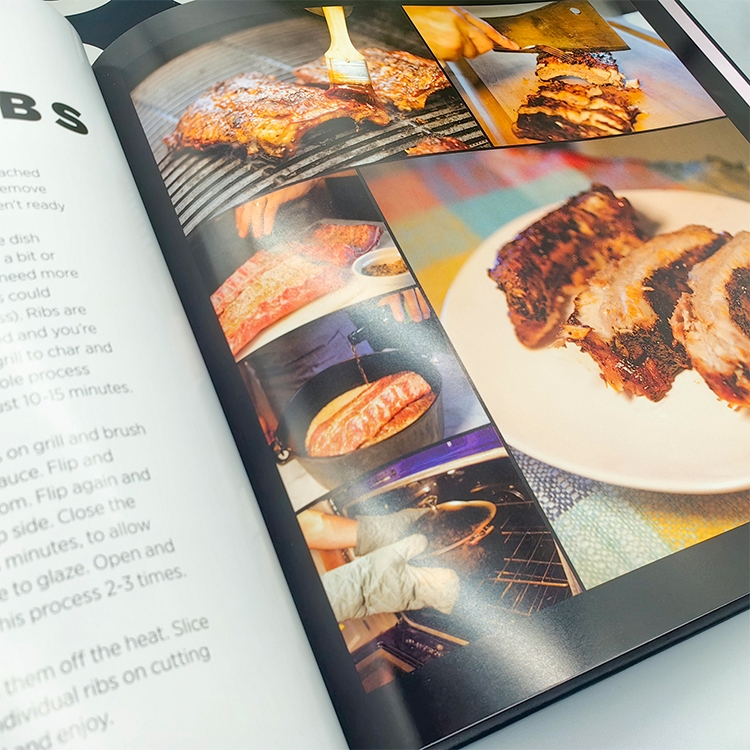
A case-wrap-only book might require approval of:
Add a decorated dust jacket and now the buyer also needs to inspect:
This is why I would never approve a premium hardcover entirely from an on-screen PDF when color, foil, embossing, tactile finish, jacket fit, or actual materials matter.
Digital files prove content and approximate placement.
They do not prove the physical object.
JetPrint’s guide to existing printing samples vs custom prototypes is particularly relevant here: a generic hardcover sample can demonstrate workmanship, but it cannot prove how your specific paper, spine, jacket, artwork, and finishing combination will behave.
This is where publishers can burn money quickly.
Suppose you want gold foil.
Where should it go?
On the jacket?
On the underlying hardcover?
On both?
The answer is not automatically “both because premium.”
That thinking produces expensive clutter.
If the jacket remains on the book during normal retail display, an expensive foil-stamped case beneath it may barely be seen until after purchase.
But for a collector edition designed to reveal a second visual identity when the jacket comes off, a foil-stamped cloth or paper case underneath can make sense.
There needs to be a reason.
JetPrint’s guide to foil stamping, embossing, and spot UV shows why each finish should be treated as a separate manufacturing operation, with its own material compatibility, registration, tooling, and artwork requirements.
My rule is simple:
Give every finish one job.
If the jacket carries a dramatic illustrated retail image, perhaps the case underneath only needs a restrained foil title.
If the printed case is already the star, maybe the jacket is unnecessary.
There is no universal winner.
There are better matches.
I generally favor case wrap when durability, easy identification, and repeated handling matter more than removable presentation.
Children pull.
Students stack.
Books travel.
A jacket can work, but ask what practical benefit it provides after the first week of use.
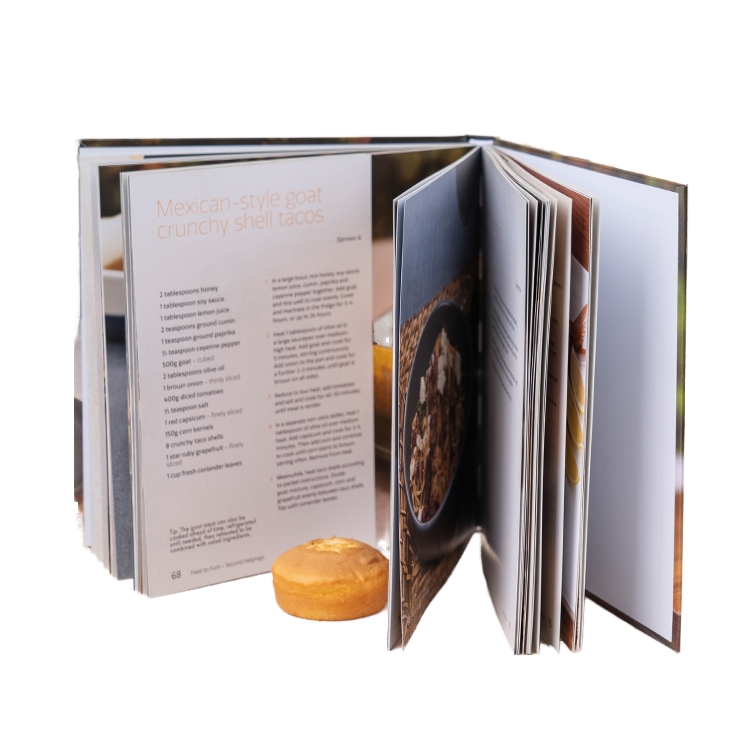
Case wrap often makes sense for working cookbooks because the cover remains part of the book.
A high-end culinary title sold as a gift object is different. There, a jacket may create stronger retail presentation and additional room for photography, chef biography, endorsements, or publishing copy.
Same category.
Different job.
Dust jackets have a strong argument here.
They support the familiar bookstore hardback format, provide flap copy, allow author information to move off the back cover, and give publishers another promotional surface.
Case-wrapped fiction is still entirely legitimate, especially for special retail editions, illustrated genre fiction, or designs built around printed boards.
This depends heavily on the visual concept.
A dust jacket can function almost like a poster wrapped around the book while the underlying case remains restrained.
Or the case itself can become the permanent artwork.
I would choose after seeing the visual hierarchy, not before.
Case wrap is often efficient when the cover needs strong permanent branding and the book will be handled repeatedly.
But presentation books intended for executives, donors, investors, anniversaries, or premium gifting may justify an additional jacket or more elaborate underlying case.
This is where using both becomes interesting.
Imagine:
Now the removal of the jacket becomes part of the experience.
That is a coherent product strategy.
Adding every available finish because the word “collector” appeared in the brief is not.
Buyers often ask:
“How much more does a dust jacket cost?”
I would turn the question around.
What additional operations does your dust jacket require?
Potential cost inputs include:
And those costs behave differently at different quantities.
A setup charge distributed across 500 books behaves very differently from the same setup distributed across 10,000.
That is why a useful custom book printing specification should define the construction before the buyer compares quotations.
Do not compare:
Printer A: Hardcover
with:
Printer B: Hardcover + jacket
and conclude that Printer B is expensive.
You have not quoted the same product.
If I were comparing Case Wrap Hardcover vs Dust Jacket Hardcover for the same title, I would keep the interior specification identical and change only the relevant cover construction.
For example:
Keep the same interior and binding assumptions, then define:
Then compare the resulting quotations.
Now you have data.
Without equivalent specifications, you have noise.
If durability, simpler handling, permanent branding, and fewer loose components dominate the project, I would start with case wrap hardcover.
If bookstore presentation, flap copy, traditional trade appearance, gifting, collectibility, or removable artwork carries commercial value, I would seriously consider a dust-jacket hardcover.
And for a premium edition where the experience continues after the jacket is removed, I would consider a decorated case plus a dust jacket rather than pretending the two formats cannot coexist.
The hard truth is that publishers sometimes pay for a dust jacket because hardcover books are “supposed” to have one.
That is weak procurement.
Others eliminate the jacket solely to save money even though the title depends on retail theater and additional marketing space.
That is equally shortsighted.
Choose the component because it performs a job.
A case-wrapped hardcover has its printed artwork permanently mounted around the rigid book case, while a dust-jacket hardcover uses a removable printed outer jacket that wraps around the hardcover and normally includes front and rear flaps for promotional copy, author information, reviews, pricing, or additional artwork.
The important technical point is that both can use a casebound hardcover structure. “Dust jacket” describes an additional outer component rather than a completely different binding method, and some books combine a printed or decorated case with a removable jacket.
A case wrap hardcover is generally easier to manage under frequent handling because its printed exterior is permanently attached to the rigid boards and there is no removable paper jacket that can slide, crease, tear, become separated from the book, or suffer damage around the flap and exposed edges.
That does not make case wrap immune to wear. Lamination quality, board construction, corner impact, surface abrasion, ink coverage, and storage conditions still affect appearance. A protected dust jacket can also perform very well, as demonstrated by library systems that place clear protective covers over jackets.
The better hardcover format is the one that matches the book’s actual use: case wrap usually suits repeated handling, permanent cover graphics, educational titles, children’s books, and practical publications, while dust jackets are particularly useful when retail presentation, flap copy, traditional trade styling, gifting, or collector-oriented presentation justifies the additional component.
I would therefore make the decision after defining audience, sales channel, handling frequency, artwork strategy, finishing, quantity, and budget rather than treating either construction as automatically superior.
A case wrap hardcover can also carry a dust jacket because the printed case and removable jacket are separate components: the case wrap forms the decorated rigid exterior of the hardcover itself, while the dust jacket is an additional printed sheet folded around that completed hardcover and retained by its flaps.
This combination is especially useful for editions where publishers want the book to remain visually complete after the jacket is removed. It can also support collector editions, although producing two decorated exteriors increases artwork, materials, proofing, finishing, and inspection requirements.
A dust-jacket hardcover normally requires more production inputs than an otherwise comparable case-wrap-only hardcover because the printer must manufacture, finish, trim or fold, inspect, and fit an additional printed component, while potentially coordinating separate decoration on the hardcover case underneath the jacket.
The actual cost difference cannot responsibly be expressed as one universal percentage. Quantity, trim size, jacket stock, lamination, flap dimensions, special finishing, underlying case construction, proofing, packing, and production method all affect the quotation.
Case wrap hardcovers are well suited to books where permanent exterior graphics, straightforward handling, and resistance to problems associated with removable jackets are priorities, including many children’s books, educational titles, cookbooks, reference books, corporate publications, textbooks, manuals, illustrated books, and other publications expected to be handled frequently.
That is a use-based recommendation rather than a rigid industry rule. A luxury cookbook may benefit from a dust jacket, while a collectible novel may deliberately use printed boards without one. Audience and distribution should decide the structure.
A dust-jacket hardcover normally requires a complete interior file plus separate production-ready artwork for the hardcover case and the dust jacket, with the jacket template accounting for the front panel, spine, back panel, front flap, rear flap, bleed, trim, fold positions, and any separate finishing layers.
Final dimensions should be based on the printer’s confirmed template rather than a designer’s early estimate because spine width and case dimensions depend on the final page count, paper thickness, binding, board structure, and other manufacturing details.
Do not ask a printer, “How much is a hardcover book?”
Give them a controlled comparison.
Prepare one confirmed interior specification, then request:
Option A: Case-Wrapped Hardcover
and
Option B: Hardcover With Dust Jacket
Keep the trim size, page count, paper, interior printing, binding, quantity, packing requirements, and delivery destination consistent. Then clearly define what changes in the case and jacket.
That gives you a meaningful cost comparison instead of two unrelated prices.
If you are preparing a publisher, author, educational, corporate, or distributor project, send JetPrint the finished size, page count, quantity, paper requirements, binding, cover construction, finishing requests, artwork status, and delivery destination so the complete hardcover structure can be reviewed before production.

Leave Your Comments