Start Your Book Printing Project
Share a few details about your book. JetPrint will review your specifications and help you identify the suitable printing, paper, binding, and finishing options for your project.
Start Your Book Printing Project
Share a few details about your book. JetPrint will review your specifications and help you identify the suitable printing, paper, binding, and finishing options for your project.
Before You Go—Tell Us About Your Book
Share the specifications you already have. JetPrint will review your book format, paper, binding, finishing, quantity, and delivery requirements to help prepare your quotation.
Shenzhen JetPrint Printing Co. is a book printing manufacturer for publishers, independent authors, education teams, brands and print distributors. With printing experience dating back to 1998 and more than 30 documented production machines, JetPrint coordinates prepress, proofing, offset and digital printing, binding, finishing, packing and delivery preparation.
From hardcover and paperback books to children’s titles, activity books, manuals, journals, notebooks and novels, every quotation is reviewed against the project’s actual specifications.
Paper, page count, binding, finishing and intended use affect one another. JetPrint coordinates these decisions through one confirmed project specification before production begins.
Prepress, proofing, printing, binding, finishing and packing are coordinated through one production workflow.
The production route is reviewed according to quantity, format, color requirements, proofing needs and finished-book construction.
Folding, thread sewing, perfect binding, saddle stitching, lamination and requested finishes are planned as parts of the same project.
Eligible FSC 100%, FSC Mix and FSC Recycled orders can be reviewed under Chain of Custody certificate RINA-COC-005174.
Start with the book’s binding or intended use. Each product route covers the materials, construction decisions and quotation inputs relevant to that format.

Rigid-cover books for illustrated titles, gift editions, premium publications and long-term reference use.
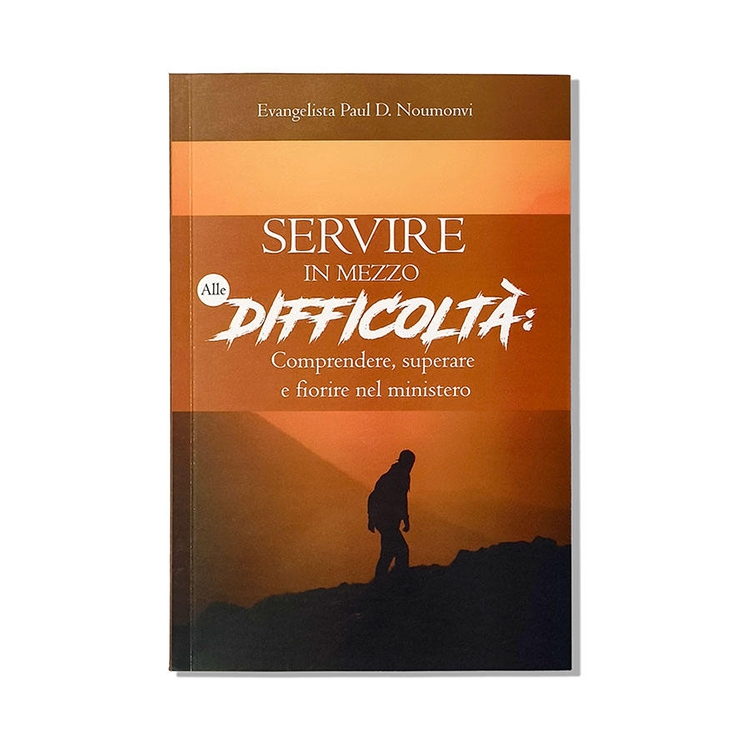
Softcover and perfect-bound books for novels, workbooks, manuals and other portable publications.
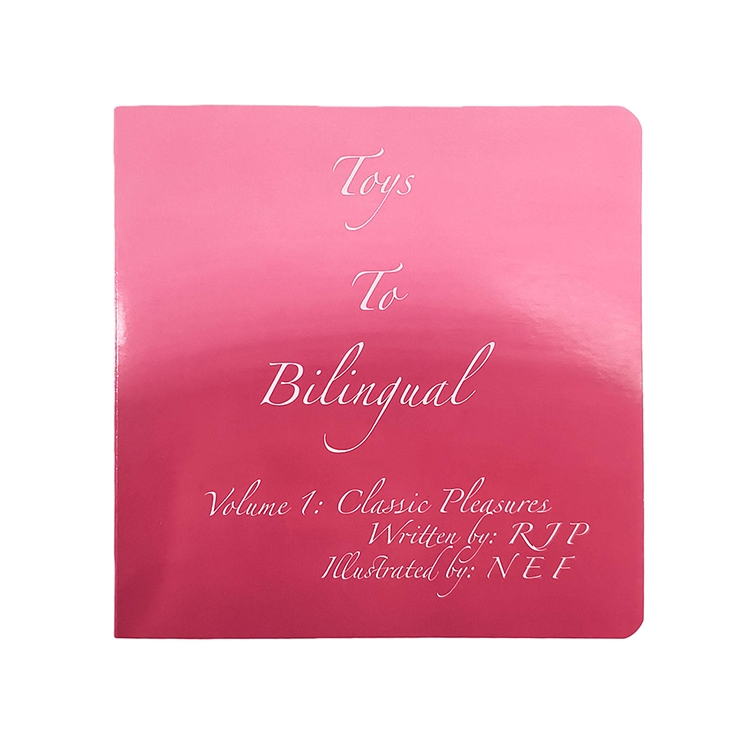
Thick-page books designed for early-learning projects, frequent handling and age-appropriate page construction.
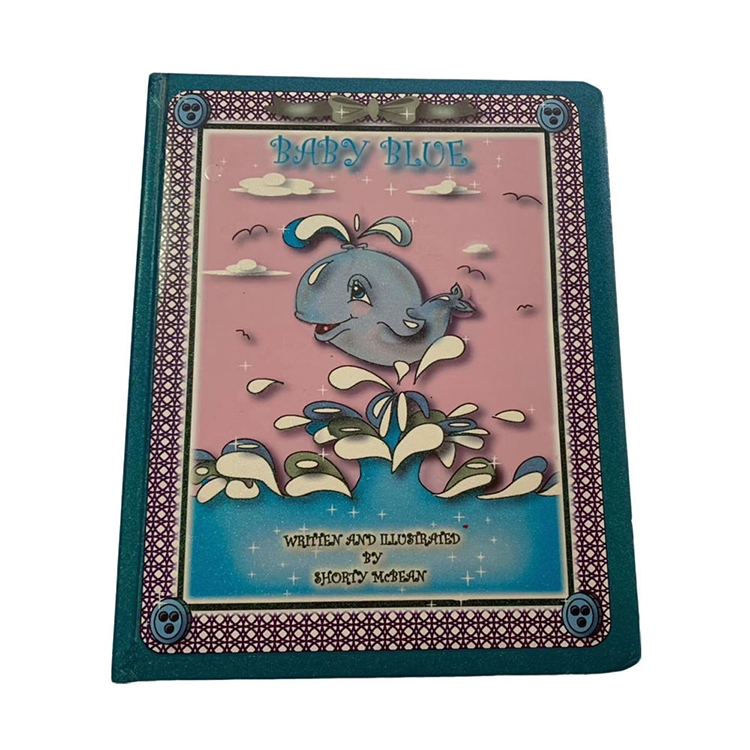
Picture books, illustrated stories and educational titles planned around artwork, reader age and destination market.
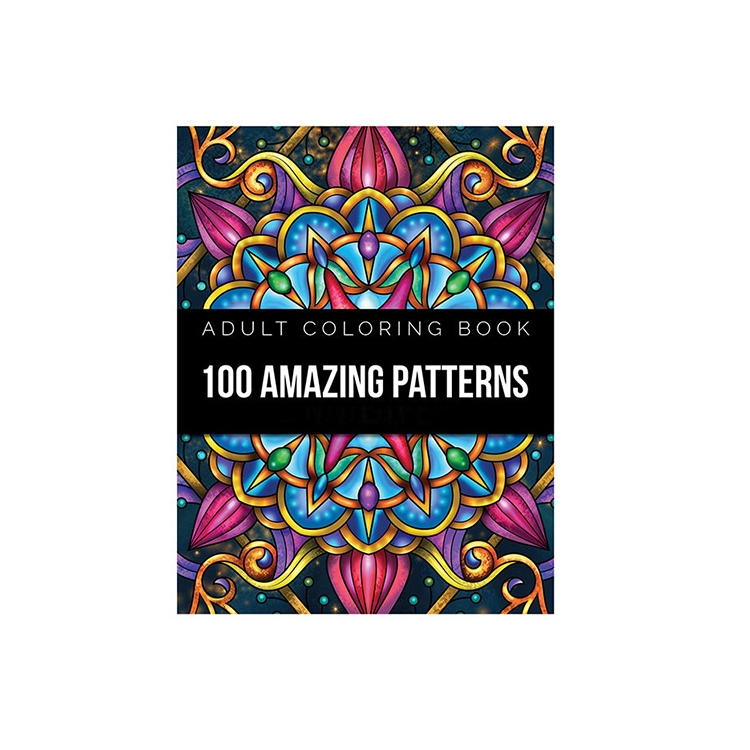
Coloring books with attention to line reproduction, paper opacity, surface feel and drawing-tool compatibility.
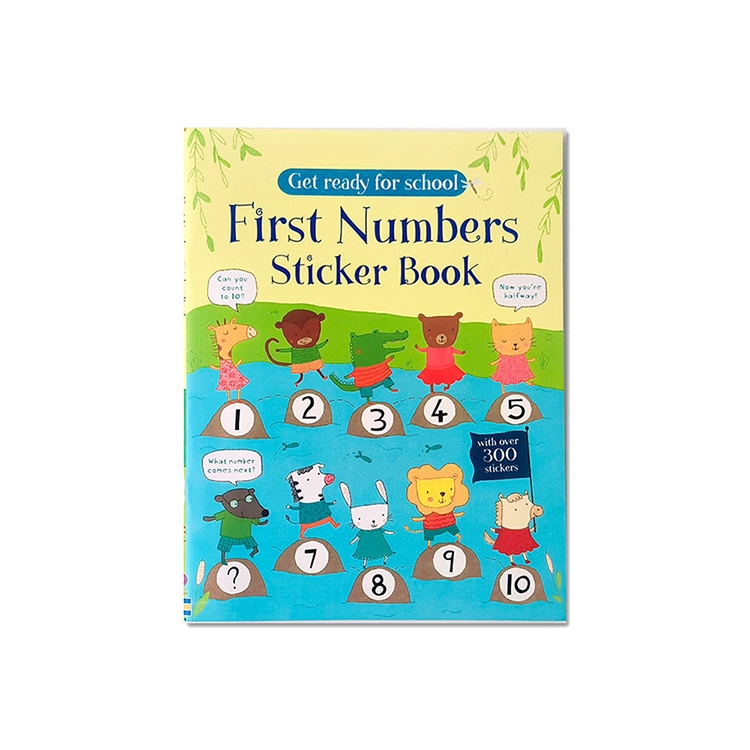
Activity books combining printed pages with sticker sheets, release liners, cutting patterns and removable elements.
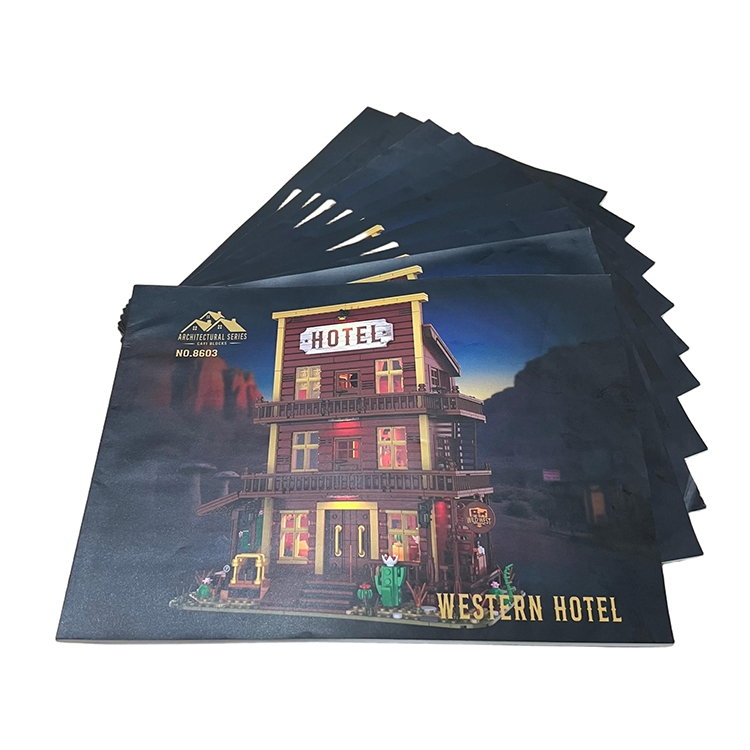
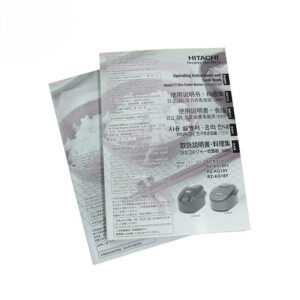
Product instructions, operating guides and training materials with clear navigation, controlled revisions and durable binding.
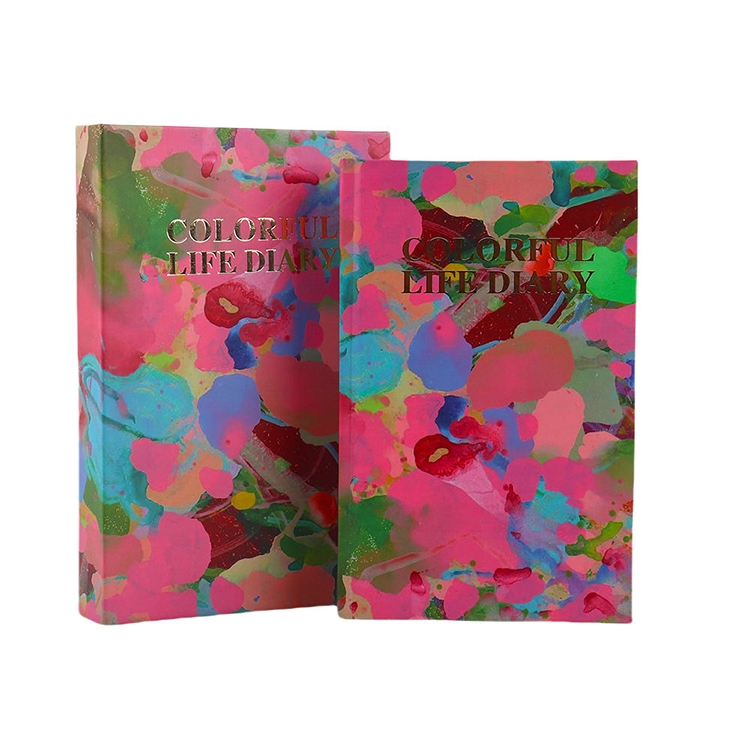
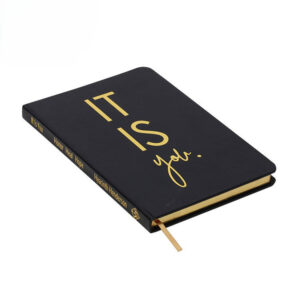
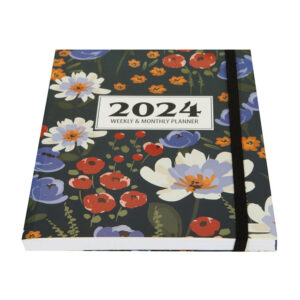
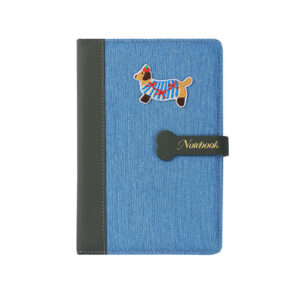
Ruled, dotted, grid, blank or guided interiors coordinated with the cover, binding and requested functional details.

Hardcover and paperback formats for fiction, nonfiction and other long-form reading projects.
The finished format should reflect how the book will be sold, read, handled, stored and distributed. Explore common project routes below.

Plan trim size, page count, reading paper, spine construction and repeat-edition requirements for long-form titles.

Turn a completed manuscript and cover design into a quotation-ready production specification.

Coordinate color artwork, page format, binding and paper with the intended reader and market.

Review board-page construction, corner shape, surface treatment and frequent-handling requirements together.

Plan writing, coloring, sticker or interactive pages around their actual materials and intended use.

Organize navigation, page sequence, version control and binding for frequently referenced information.

Combine writing interiors with custom covers, binding and project-specific functional details.

Develop rigid-cover books with coordinated cover materials, endpapers, finishes and presentation requirements.
A book should be reviewed as one construction. Changing the paper can affect opacity, spine width, weight, opening behavior, binding and shipping volume.

Review trim size, bleed, margins, pagination, image resolution, color settings and separate finishing layers.

Select a proof or sample route according to whether layout, color, materials, structure or finishing must be approved.

Review offset production against the project’s quantity, format, paper, artwork and color requirements.

Use digital production where suitable for proofing or project-specific formats and quantities.

Compare paper for image reproduction, opacity, writing performance, reading comfort, thickness and finished weight.

Plan perfect binding, saddle stitching, thread sewing and other applicable structures against page count and paper.

Define rigid or flexible covers, printed wraps, endpapers, jackets and other project-specific components.

Confirm lamination, foil, embossing, debossing and spot treatments by artwork layer, position and size.

Set carton, label, pallet and delivery-destination requirements before the commercial scope is finalized.
Quality requirements should refer to a confirmed specification and an approved file, proof or sample—not a general description such as “premium quality.”
Confirm the artwork version, trim size, bleed, pagination, paper, color, binding, cover structure and finishing requirements before production.
Use the agreed proof or sample as the approval reference and record project-specific color and finish requirements.
Review page sequence, binding, finish placement, packing, labeling and delivery instructions against the confirmed order.
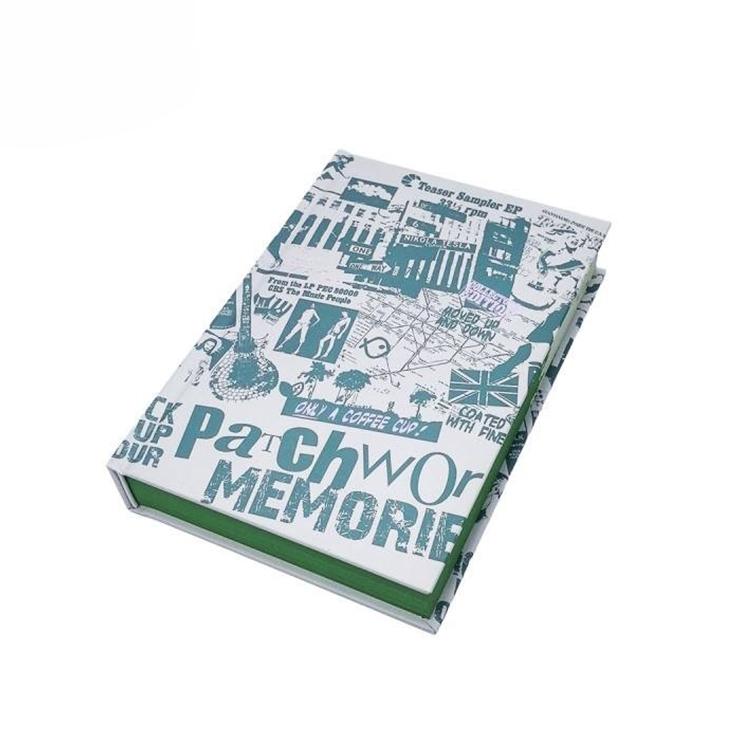
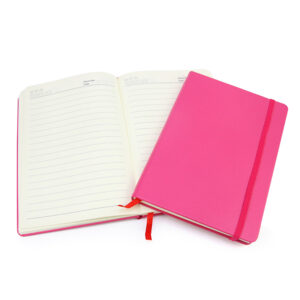
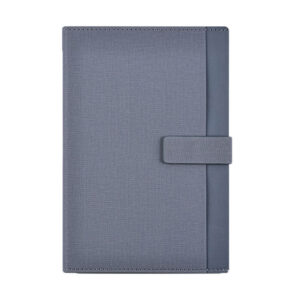
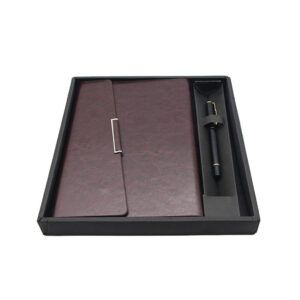
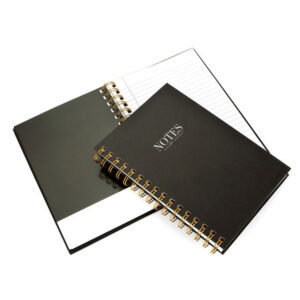
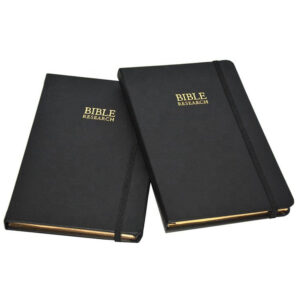
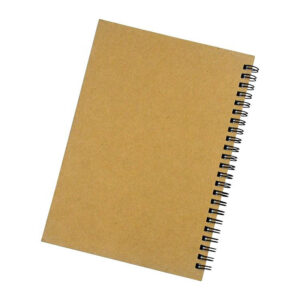
Browse selected JetPrint projects across journals, notebooks, manuals, hardcover books, paperbacks, children’s titles and other custom formats. Open any product to review its structure, visible features and suitable applications.


Different buyers evaluate a printing project in different ways. JetPrint organizes each inquiry around the technical, commercial and approval requirements of the team placing the order.
Plan specifications for new titles, reprints and multi-title publishing programs. Record edition details, approved color references, binding choices and repeat-order requirements.
New titles, reprints and publishing programs
Turn a manuscript and cover design into a complete production specification before committing to paper, binding, finishing and quantity.
Manuscript-to-production projects
Prepare workbooks, course materials, manuals and educational publications with attention to readability, frequent handling and version control.
Learning materials and controlled editions
Define the intended age group, destination market, page construction, interactive elements and any required material documentation.
Picture books, board books and activities
Develop journals, notebooks, manuals and branded publications while keeping artwork, color references and approval stages organized.
Branded and internal publications
Submit reusable, quotation-ready specifications for multiple customer projects and repeat orders.
Multi-customer sourcing programs
We support buyer audits, factory visits, sample reviews, and certification document checks to help clients confirm our production capability and quality-control process.
Read practical guidance on paper, artwork, binding, finishing, supplier evaluation and quotation preparation before approving files or placing an order.

Thick novels need more than a generic 0.5-inch margin. This guide explains how page count, paper thickness, binding method, trim size, and opening behavior should determine gutter and interior margin settings before printing.
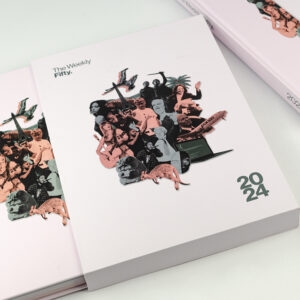
A standard board book and a hardcover board book may use similar thick interior pages, but the outer construction changes the product more than many buyers expect. This guide compares structure, durability, retail presentation, safety considerations, production risk, and which format makes sense for different children’s publishing projects.
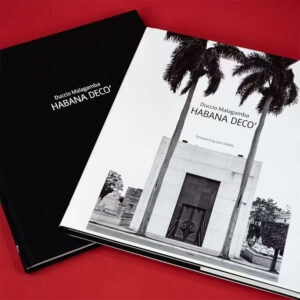
Hardcover and paperback books can use the same interior printing but create very different production costs, freight requirements, retail positioning, and inventory risk. This guide explains how bulk buyers should choose between them before requesting a printing quote.
Find concise answers about quotations, book formats, paper and binding choices, proofs, FSC project support, production schedules and delivery planning.
Provide the book type, finished size, page count, quantity, interior color, paper preference, binding, cover structure, finishing, delivery destination and artwork status. If some details remain open, explain the intended use and attach a reference product or sample.
JetPrint’s current categories include hardcover books, paperback books, board books, children’s books, coloring books, sticker books, instruction manuals, journals, notebooks and novels.
Yes. Submit your confirmed requirements and open questions with the inquiry. Suitability is reviewed against page count, artwork, intended use, quantity and construction. A material or finish is not treated as standard until it is included in the project quotation.
These details are confirmed for the individual project. Proofing depends on what must be approved, while quantity and production time depend on format, materials, binding, finishing and current scheduling. Shipping depends on the destination, order volume, packing and agreed delivery terms.
Eligible FSC 100%, FSC Mix and FSC Recycled projects can be reviewed under Chain of Custody certificate RINA-COC-005174. A specific order is covered only when the applicable FSC claim is confirmed and shown on its invoice and shipping documents.