Start Your Book Printing Project
Share a few details about your book. JetPrint will review your specifications and help you identify the suitable printing, paper, binding, and finishing options for your project.
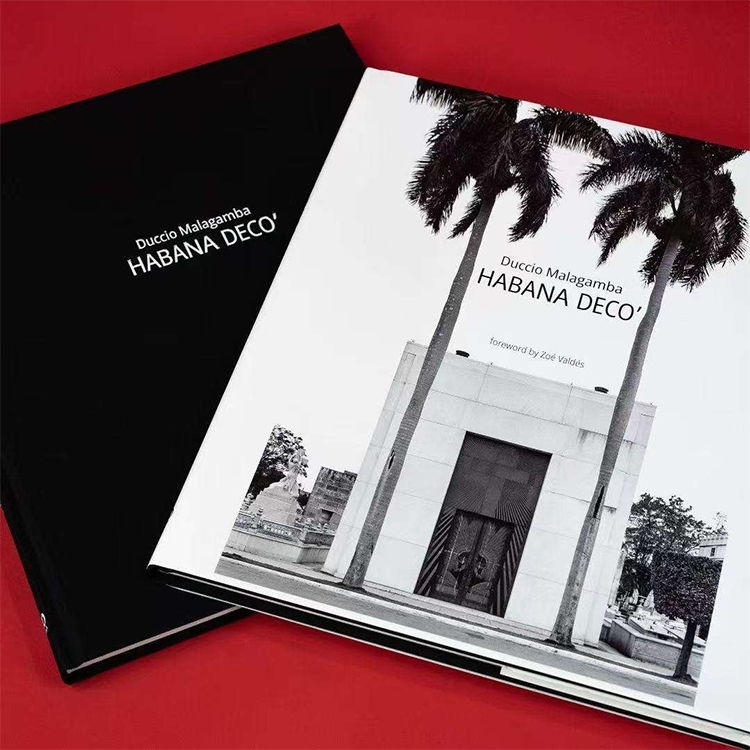
Hardcover vs paperback sounds like a design decision until someone places an order for 1,000, 3,000, or 10,000 books.
Then it becomes a purchasing decision.
Binding changes economics.
A hardcover book adds board, cover wrapping, endpapers, casing-in operations, additional binding work, extra weight, and usually more carton volume, while a paperback can move through a substantially simpler production sequence and often lets a publisher put more copies into the same shipping and warehousing footprint.
That difference compounds.
So why do publishers still order hardcovers?
Because the cheapest book to manufacture is not automatically the most profitable book to sell.
For bulk buyers comparing hardcover vs paperback printing, I would look at five numbers before arguing about aesthetics: unit manufacturing cost, expected selling price, freight cost per copy, expected sell-through rate, and the financial damage caused by unsold inventory.
The format should follow those numbers.
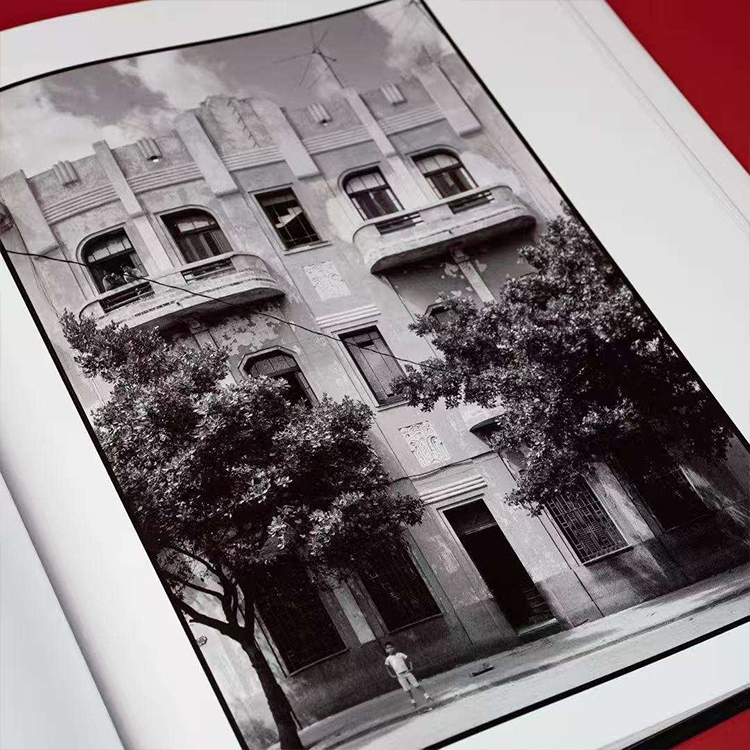
At first glance, both formats can contain exactly the same 6 × 9 inch, 240-page, black-and-white text block.
The manufacturing routes are not the same.
A typical paperback uses a printed cover stock that is scored, folded around the text block, and commonly attached using perfect binding or sewn perfect binding. A typical case-bound hardcover requires rigid greyboard, printed paper or another cover material, separate case making, endpapers, and the process of attaching the finished text block to the case.
That is why simply asking, “How much does a 240-page book cost?” rarely produces a useful quote.
You need specifications.
If you are still defining the production configuration, start with the custom book printing options rather than treating binding as an isolated choice.
| Factor | Hardcover | Paperback |
|---|---|---|
| Cover construction | Rigid board with wrapped printed paper, cloth, or other material | Heavy printed cover stock |
| Typical binding | Case binding, often with sewn signatures | Perfect binding or sewn perfect binding |
| Production steps | More | Fewer |
| Unit manufacturing cost | Higher | Lower |
| Finished weight | Higher | Lower |
| Carton density | Lower | Higher |
| Freight efficiency | Lower | Higher |
| Shelf durability | High | Moderate to high |
| Premium retail positioning | Strong | Moderate |
| Suitable for high-volume promotional distribution | Sometimes | Usually |
| Common applications | Art books, premium editions, gift books, children’s titles, institutional books | Novels, manuals, workbooks, educational titles, trade books |
There is no universal winner.
But there is usually a financially correct winner for a specific order.
Here is the part many buyers already suspect: if your main objective is reducing cost per distributed copy, paperback usually wins.
That is not because paperback printing is inherently “cheap.”
It is because the cover structure is simpler.
A paperback eliminates several components associated with traditional hardcover construction:
Multiply those differences across 5,000 copies.
Now the gap matters.
The economics become especially noticeable when a publisher is producing a book that will be given away rather than sold: training manuals, conference books, corporate publications, curriculum materials, church books, campaign materials, promotional titles, or books included with another product.
If the buyer receives no higher selling price from using hardcover, paying for hardcover can become difficult to justify.
That is why buyers planning larger quantities should examine bulk book printing and quantity economics before finalizing the binding specification. Our guide to book printing MOQ and order quantity explains why increasing volume changes the manufacturing equation rather than simply multiplying a short-run price.
I do not like comparing hardcover vs paperback using only the printer’s unit price.
It hides too much.
The useful number is landed cost per usable copy.
Think about:
Printing + binding + finishing + packing + freight + duties + local handling + warehousing ÷ usable copies received
A hardcover may increase several of those numbers simultaneously.
Not just printing.
A rigid cover adds weight. It also adds thickness. A thicker book means fewer units per carton and potentially fewer books per pallet or container.
Suddenly a $1 production difference is not merely a $1 difference.
And that is exactly where some bulk-order spreadsheets become misleading.
Now for the counterargument.
Hardcover has survived for a reason.
The latest full-year data from the Association of American Publishers shows that hardcover is hardly a dying format. According to the AAP December 2025 StatShot report, U.S. Trade hardcover revenue reached approximately $3.7 billion during 2025, while paperback revenue was approximately $3.3 billion. Hardcover revenue increased 2.4% year over year, while paperback revenue fell 3.4%.
That does not prove hardcover is “better.”
It proves buyers should stop assuming readers only choose the lowest-priced physical format.
The previous year’s data tells a similar story. The AAP 2024 StatShot Annual Report estimated total U.S. publishing revenue at $32.5 billion, with print formats accounting for 50.5% of publisher revenue. Hardcover revenue reached roughly $7.9 billion, compared with $7.8 billion for paperback across the overall industry.
Those numbers matter to a bulk buyer.
A publisher may willingly spend more producing a hardcover because the format supports:
So asking only, “Which binding is cheaper?” misses the commercial question.
Ask:
What does the format allow me to charge?
There is another reason this debate is getting interesting.
Some readers simply prefer handling paperbacks.
In April 2026, The Times reported NielsenIQ data showing that 72% of books sold in Britain during 2025 were paperbacks. A survey of more than 600 readers cited in the report found 61% preferred paperback primarily because of weight, format, or portability, compared with 35% who identified price as the primary reason.
That is an important finding for publishers.
The paperback advantage is not merely “cheap books sell.”
Physical usability matters.
Imagine a 400-page novel.
A heavier hardcover may look impressive on a table, yet the reader who carries the book on a train, holds it in bed, packs it for a flight, or puts it in a handbag has a different definition of premium.
Lighter can be better.
But the same Times report also explains why publishers have traditionally favored hardcover-first releases: hardcovers generally produce more profit per copy and can help establish attention before a later paperback release.
There is the conflict.
Publishers like margin.
Readers like convenience.
Bulk printing decisions sit in the middle.
A printer cannot calculate an accurate hardcover vs paperback cost from binding style alone.
At minimum, we need to know:
A 96-page paperback workbook and a 480-page sewn paperback novel are not equivalent manufacturing jobs.
Neither are a simple case-wrapped hardcover and a clothbound hardcover with foil stamping, ribbon marker, printed endpapers, headbands, and a dust jacket.
If you are considering the premium option, compare the actual configurations available through hardcover book printing rather than using bookstore retail prices to estimate manufacturing cost.
The same applies to paperback book printing. Paper weight, page count, lamination, and binding method can materially change the quote.
Suppose a publisher is ordering 5,000 copies.
I would model the decision like this:
Paperback scenario
Printing and binding
Then:
Hardcover scenario
Same interior printing
Now compare both numbers against the wholesale or retail revenue the book is expected to produce.
That is the calculation.
Not “hardcover looks nicer.”
A 50-copy order and a 5,000-copy order should not necessarily use the same production method.
For short runs, digital production can avoid some setup costs associated with conventional offset printing.
At higher volumes, offset economics may become more attractive because fixed setup costs are distributed across more copies.
This matters because publishers often discuss hardcover vs paperback while ignoring print technology.
That is backwards.
A 100-copy digitally printed hardcover, a 2,000-copy offset paperback, and a 20,000-copy offset paperback represent completely different manufacturing problems.
Before committing to a large order, compare offset vs digital book printing alongside the binding decision.
More copies do not automatically mean a good deal.
More copies mean lower unit cost only if you can actually use or sell the inventory.
That distinction is brutal but important.
If 5,000 books cost substantially less per copy than 2,000 books but 3,000 copies remain in storage for three years, you did not necessarily save money.
You bought inventory.
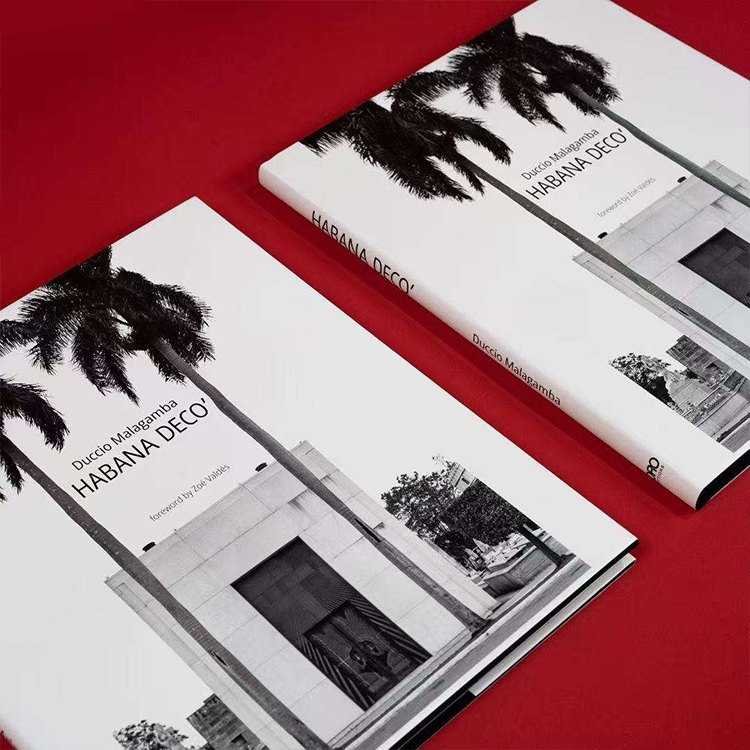
There are books where presentation is not secondary.
It is the sale.
Coffee-table books are the obvious example.
So are:
A rigid cover changes how the object is perceived before the reader reaches page one.
That has commercial value.
And hardcover also gives the designer more structural possibilities: printed cases, cloth cases, foil-stamped cloth, debossing, mounted labels, printed endpapers, ribbons, headbands, dust jackets, slipcases, and other components.
But every component needs a reason to exist.
Adding foil because “premium books have foil” is not a strategy.
Adding foil because the title will sell at $45 instead of $29 and the visual treatment supports that positioning can be.
That is different.
Paperback becomes difficult to beat when the business objective is putting as many copies as possible into readers’ hands.
Consider:
A company ordering 8,000 training manuals usually cares more about readability, durability, and distribution cost than rigid covers.
Trade paperback remains practical for fiction because it balances shelf presence with portability and price.
If every attendee at a 3,000-person event receives one copy, hardcover may add cost without adding revenue.
Users write in them, carry them, and sometimes replace them. Paperback often fits the product lifecycle better.
If content will be updated next year, spending heavily on a long-life hardcover can make little sense.
This is why the best book binding for bulk orders depends on the intended life of the book.
How long does the buyer expect the physical object to remain useful?
That question is surprisingly powerful.
One of the most persistent mistakes in book procurement is assuming every paperback is a cheaply glued disposable book.
That is not true.
A paperback can use conventional perfect binding or a more durable sewn-and-glued structure.
Sewn binding can improve structural strength because folded signatures are stitched before being combined into the finished book block.
The trade-off?
More processing.
Usually more cost.
And potentially more production time.
For thicker books or publications expected to receive frequent use, buyers should compare sewn binding vs perfect binding before jumping from paperback directly to hardcover.
Sometimes the best answer is not hardcover.
It is a better paperback.
This is where bulk ordering becomes unforgiving.
Take two books with identical trim size and interior page count. One uses a flexible cover. The other adds 2–3 mm board on the front and back plus case materials and structural components.
The difference per book feels small.
Across thousands of copies, it is no longer small.
Hardcovers may:
For local production, the freight difference may remain manageable.
For international book printing, it deserves its own spreadsheet column.
I would never approve a large hardcover order using only an ex-factory unit price.
Get the packing details.
Ask for estimated gross carton weight.
Ask for carton dimensions.
Ask how many books fit in each carton.
Then compare freight.
That is procurement, not decoration.
Publishing inherited a familiar sequence:
hardcover first, paperback later.
But publishing strategies are changing.
The 2026 Times report described publishers including Fitzcarraldo Editions, Canongate, and Faber experimenting with paperback-first or simultaneous-format releases, reflecting reader resistance to heavier books and changing format economics.
That is worth watching.
It means the correct format should increasingly follow audience behavior instead of tradition.
For a publisher, I would divide projects into three buckets.
Choose hardcover when higher production cost can be recovered through higher perceived value and pricing.
Choose paperback when reach, freight efficiency, affordability, and turnover matter more than prestige.
Be careful.
A premium hardcover becomes expensive very quickly when demand has been overestimated.
The real enemy is not a high unit cost.
It is dead stock.
Use this before requesting quotes.
| Your Priority | Better Starting Point |
|---|---|
| Lowest unit manufacturing cost | Paperback |
| Lowest freight cost per copy | Paperback |
| Large giveaway campaign | Paperback |
| Portable consumer edition | Paperback |
| Workbook or training manual | Paperback |
| Premium gift positioning | Hardcover |
| Collector edition | Hardcover |
| Art or photography presentation | Hardcover |
| Heavy long-term institutional use | Hardcover or sewn binding |
| Maximum cover finishing possibilities | Hardcover |
| Unsure about demand | Paperback or smaller initial run |
| High expected retail price | Hardcover worth evaluating |
Notice the language: starting point.
Not final answer.
Specifications can reverse the result.
A highly finished sewn paperback with flaps, specialty paper, foil, and complex production can cost more than a very simple hardcover configuration.
That is why comparable quotes matter.
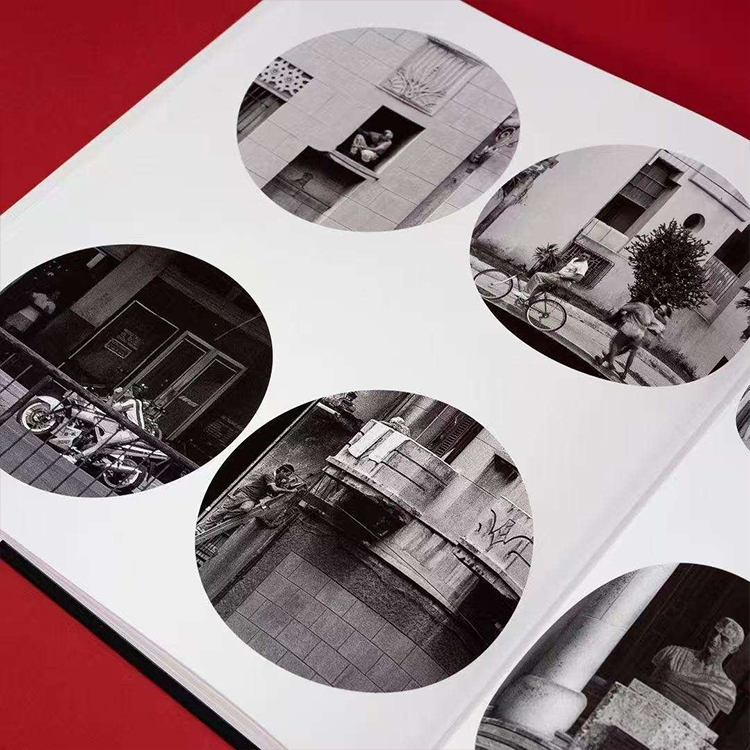
Do not send a printer:
“Please quote 2,000 hardcover books.”
Send this instead:
Now the printer can compare like with like.
And I would deliberately request at least two or three quantities.
Why?
Because the order-size curve often teaches you more than a single quotation.
A buyer who only asks for 2,000 copies never sees what happens at 3,000 or 5,000.
Paperback is generally better for bulk book printing when minimizing manufacturing cost, shipment weight, storage requirements, and cost per distributed copy are the primary goals, while hardcover is better when durability, premium presentation, gift value, collector appeal, or a higher selling price can justify the additional materials and binding operations.
For large promotional, educational, training, and trade-book orders, paperback is frequently the more economical starting point. For art books, premium editions, coffee-table books, and high-value retail publications, hardcover deserves serious consideration.
Hardcover is generally more expensive than paperback because its construction normally requires rigid book board, separate case manufacturing, cover wrapping, endpapers, casing-in, and additional binding operations, while paperback production typically uses a printed flexible cover attached directly to the text block with perfect binding or sewn perfect binding.
The exact difference depends on trim size, page count, paper, quantity, cover materials, finishing, binding structure, and shipping destination. Buyers should therefore compare complete landed costs rather than assuming a fixed percentage difference.
The best book binding for bulk orders is the binding method that provides enough durability and market value for the lowest acceptable total cost, which often means perfect-bound paperback for high-volume distribution, sewn paperback for demanding use, and case-bound hardcover for premium, long-life, collectible, or presentation-focused publications.
There is no binding method that is automatically best at every quantity. A 10,000-copy training manual has very different requirements from a 2,000-copy photography book, even when both contain a similar number of pages.
Hardcover normally costs more to ship than an equivalent paperback because rigid boards, case materials, endpapers, and the larger finished thickness increase individual book weight and can reduce the number of copies packed into each carton, pallet, or freight shipment, particularly when thousands of books are being transported internationally.
The actual freight difference should be calculated from finished book weight, carton dimensions, copies per carton, gross shipment weight, and shipping method. For overseas bulk printing, this comparison can materially affect the final format decision.
Paperback can be suitable for premium books when good paper, strong binding, controlled color reproduction, lamination, foil stamping, embossing, flaps, or other finishing choices create the intended product experience without requiring a rigid case, especially when portability and a lower retail price are part of the commercial strategy.
Premium does not automatically mean hardcover. A sewn paperback with excellent paper and restrained finishing can outperform an overdecorated hardcover when the format better matches the reader, price point, and distribution channel.
Publishers should print hardcover first and paperback later only when the higher-margin hardcover release supports the title’s pricing, publicity, audience, and expected sales pattern; simultaneous formats or paperback-first production can make more sense when portability, broader distribution, lower consumer resistance, or reduced inventory exposure matters more than traditional release sequencing.
Recent publishing behavior shows that the old hardcover-first model is no longer automatic. The format strategy should be based on the actual audience and sales channel rather than inherited convention.
The right bulk book quantity is the number of copies you can reasonably sell, distribute, or consume within your inventory plan while still benefiting from economical production, rather than simply the quantity that produces the lowest quoted unit price from the printer.
Request pricing at several quantities—such as 1,000, 2,000, 3,000, and 5,000 copies—and compare total cash commitment, storage, freight, expected sales, and reprint risk. The lowest unit cost is not necessarily the lowest business cost.
Hardcover vs paperback is not really a battle between premium and cheap.
It is a question of economics.
Paperback usually wins on manufacturing simplicity, freight efficiency, portability, and high-volume distribution.
Hardcover wins when the physical book can support a higher price, stronger presentation, longer working life, or collectible value.
And sometimes neither answer is obvious until both versions are quoted.
That is exactly what buyers should do.
Before committing to a bulk book order, prepare the same trim size, page count, paper, printing specification, quantity, and destination, then request both a hardcover and paperback configuration.
Compare the landed numbers.
Not just the printer’s unit price.
If you are preparing an upcoming publishing, educational, corporate, or commercial book project, send JetPrint your book size, page count, quantity, binding preference, paper requirements, and delivery destination to request a production comparison for both formats before choosing the final specification.

Leave Your Comments