Start Your Book Printing Project
Share a few details about your book. JetPrint will review your specifications and help you identify the suitable printing, paper, binding, and finishing options for your project.
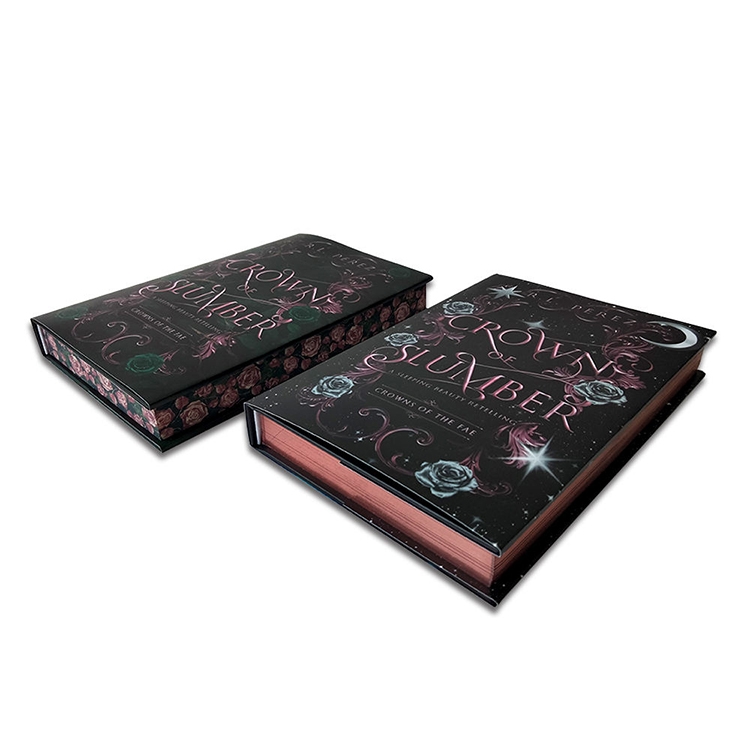
Thick novels need more than a generic 0.5-inch margin. This guide explains how page count, paper thickness, binding method, trim size, and opening behavior should determine gutter and interior margin settings before printing.
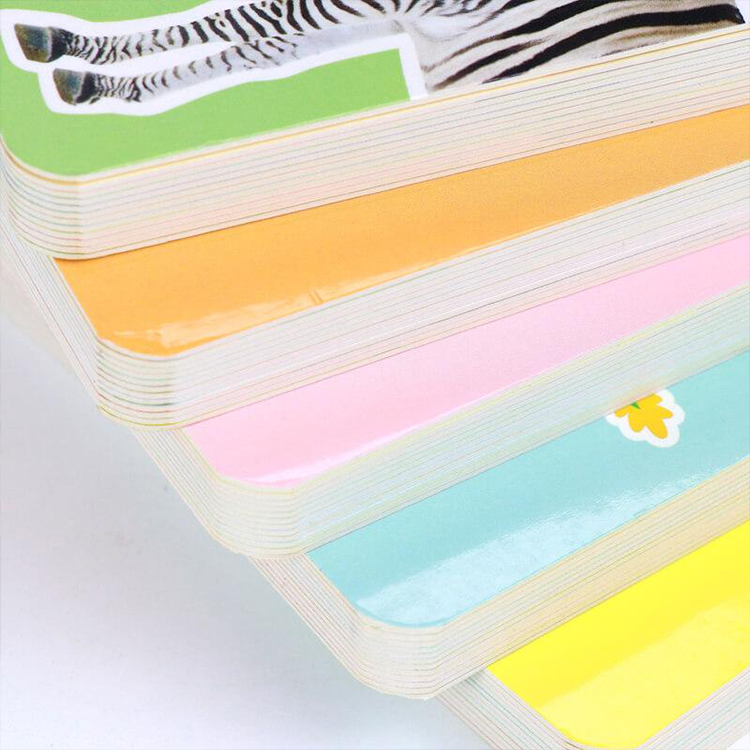
Board book thickness is not chosen from a sample chart alone. It is engineered from the reader’s age, page count, trim size, board construction, finishing system, binding method, and the exact way the printer measures the finished leaf.
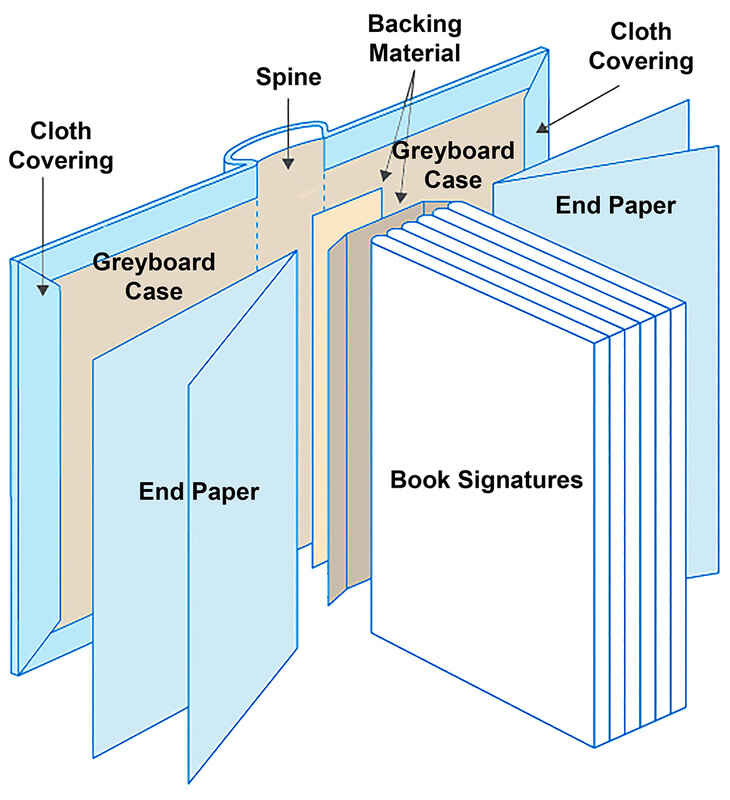
Case binding is more than a rigid cover. This guide explains how the book block, endpapers, boards, spine materials, covering stock, joints, and adhesives work together, where failures begin, and what professional buyers should specify before requesting a hardcover printing quote.
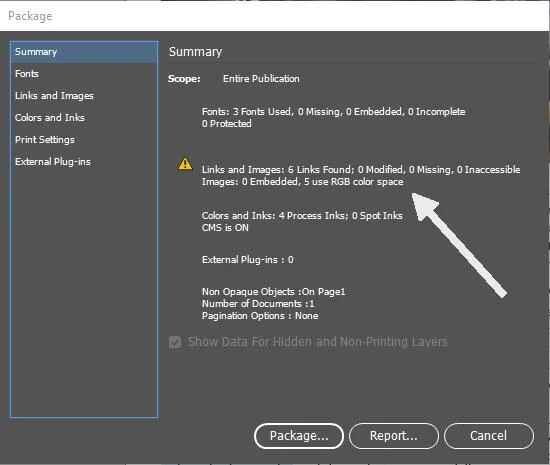
An InDesign document is not a self-contained print file. This guide explains how to package Adobe InDesign files correctly, check fonts and linked graphics, include IDML and PDF proofs, and send an organized package to a commercial printer.
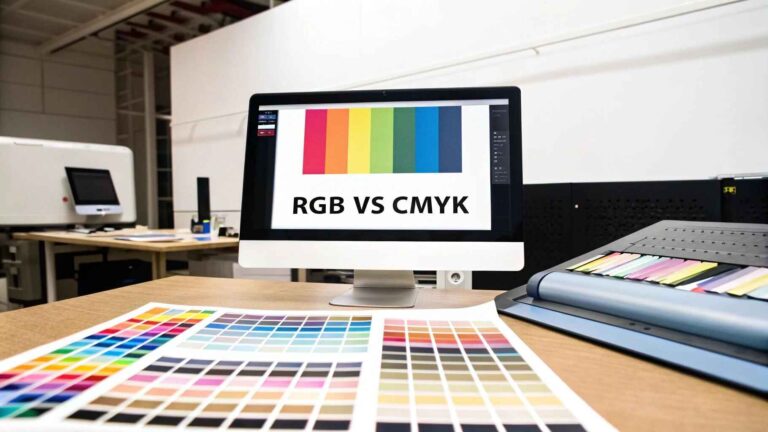
RGB is built for light; CMYK is built for ink. This guide explains why that simple distinction is not enough, when conversion should happen, which profile controls the result, and how to prepare a commercial-print PDF without destroying useful color data.
rint bleed, trim, and safe area are not interchangeable design terms. This guide explains where each production boundary sits, why cutting variation matters, how binding changes the rules, and what designers should verify before exporting a print-ready PDF.

A print-ready PDF must do more than look correct on a monitor. This guide explains how to control page size, bleed, image resolution, fonts, color profiles, PDF/X settings, overprint, transparency, and preflight before submitting a commercial printing job.
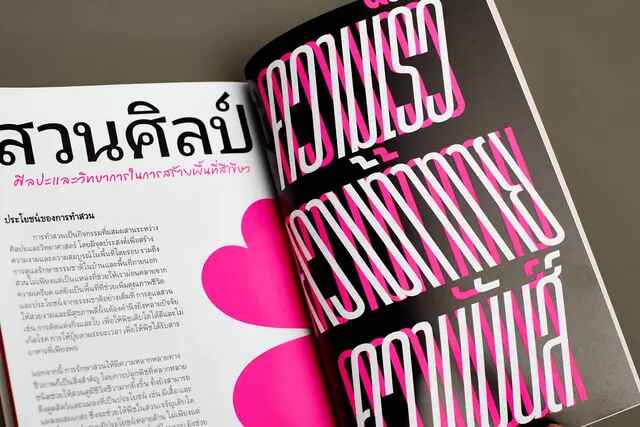
Most book printing disasters don't start on the press. They start in a PDF that looked fine on a laptop. Here's what actually goes wrong with artwork files — RGB color, missing bleed, low resolution, unembedded fonts — and why a factory that silently "fixes" your file may be your biggest risk.