Start Your Book Printing Project
Share a few details about your book. JetPrint will review your specifications and help you identify the suitable printing, paper, binding, and finishing options for your project.

Excerpt: Consolidating a book order into one shipment can reduce freight cost per copy, but it can also push thousands of books into a warehouse months before they are needed. Split shipments cost more to move. Sometimes they still cost less to own. Here is how publishers should run the numbers.

A book reprint is not simply a repeat order. Paper, page count, files, color profiles, binding materials, finishing and even carton requirements can drift between print runs. This 20-point book reprint checklist shows publishers and print buyers exactly what to verify before authorizing another production run.
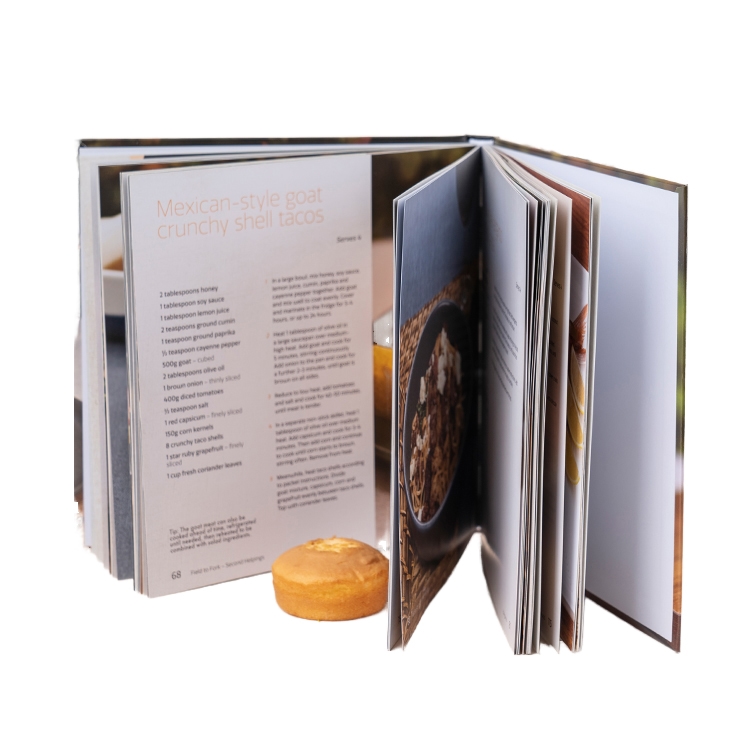
Thick novels need more than a generic 0.5-inch margin. This guide explains how page count, paper thickness, binding method, trim size, and opening behavior should determine gutter and interior margin settings before printing.
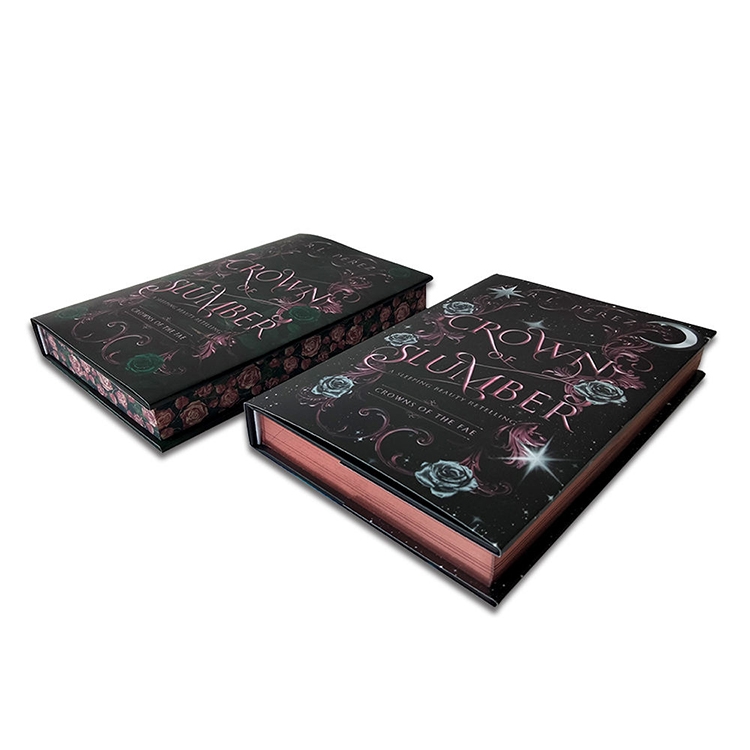
Case wrap and dust jacket hardcovers may share the same rigid casebound structure, but they behave very differently in production, retail, handling, and design. This guide explains where each format wins, what buyers routinely misunderstand, and how to specify the right hardcover construction before requesting a printing quote.
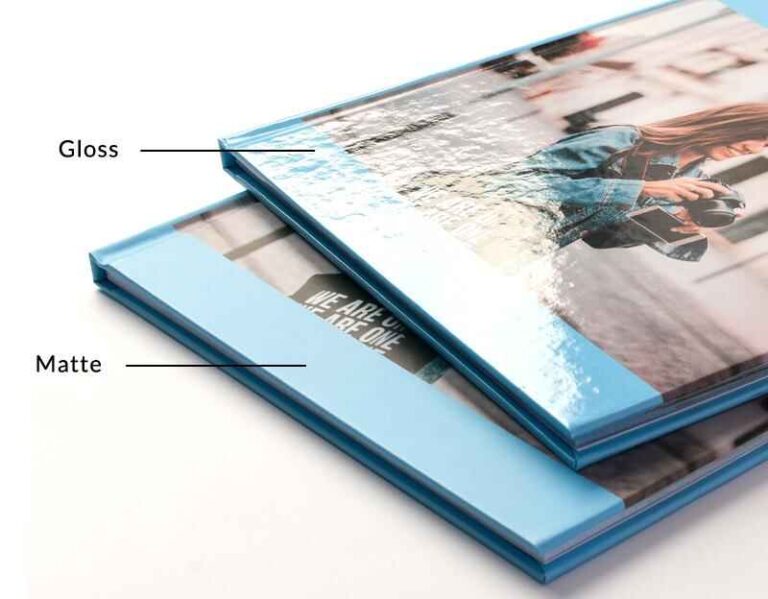
Matte lamination looks restrained and reduces glare, while gloss lamination intensifies color and contrast. This guide explains how each finish performs on real books, packaging, dark ink coverage, folds, foil, embossing, and retail displays.
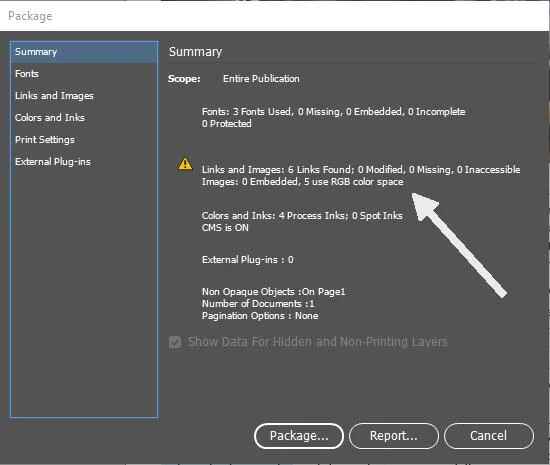
An InDesign document is not a self-contained print file. This guide explains how to package Adobe InDesign files correctly, check fonts and linked graphics, include IDML and PDF proofs, and send an organized package to a commercial printer.


