Start Your Book Printing Project
Share a few details about your book. JetPrint will review your specifications and help you identify the suitable printing, paper, binding, and finishing options for your project.

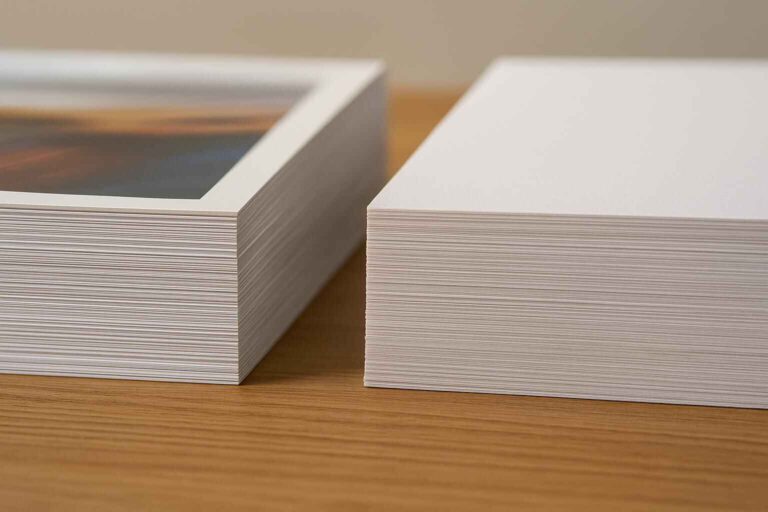
Coated paper makes images sharper and colors denser, while uncoated paper improves readability, writing comfort, and tactile warmth. This guide explains how surface, weight, opacity, binding, ink coverage, and reader behavior should shape your final book paper specification.
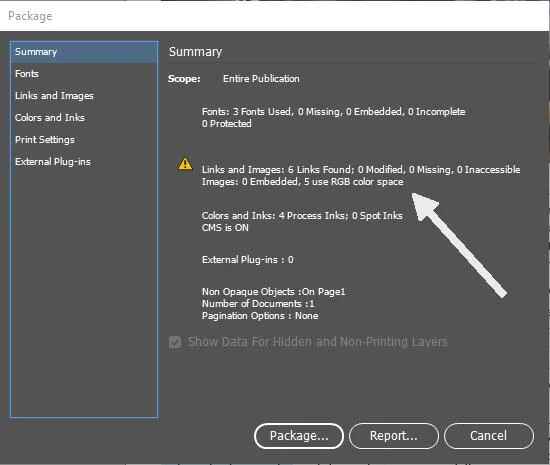
An InDesign document is not a self-contained print file. This guide explains how to package Adobe InDesign files correctly, check fonts and linked graphics, include IDML and PDF proofs, and send an organized package to a commercial printer.
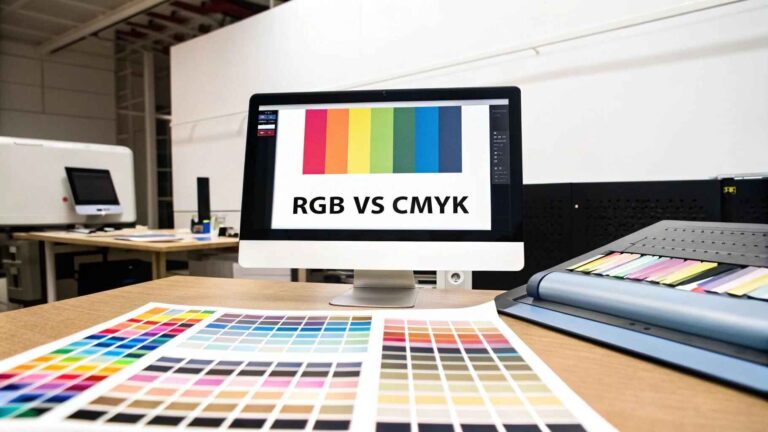
RGB is built for light; CMYK is built for ink. This guide explains why that simple distinction is not enough, when conversion should happen, which profile controls the result, and how to prepare a commercial-print PDF without destroying useful color data.
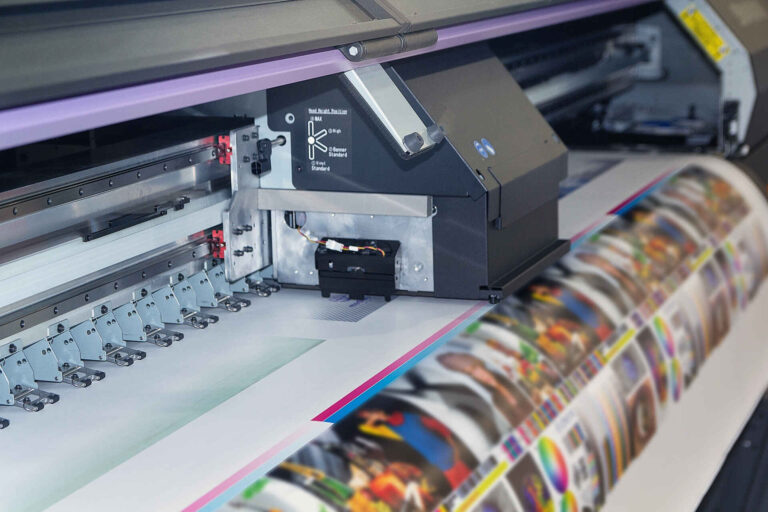
rint bleed, trim, and safe area are not interchangeable design terms. This guide explains where each production boundary sits, why cutting variation matters, how binding changes the rules, and what designers should verify before exporting a print-ready PDF.

A print-ready PDF must do more than look correct on a monitor. This guide explains how to control page size, bleed, image resolution, fonts, color profiles, PDF/X settings, overprint, transparency, and preflight before submitting a commercial printing job.

Book printing minimums are not arbitrary numbers. This guide explains how digital and offset production, binding, materials, finishing, shipping and inventory risk determine the most economical order quantity for a publishing project.

Existing samples can reveal a printer’s general workmanship, but they cannot predict how your files, paper, color, binding, and finishes will behave. This guide explains when a sample pack is enough and when a project-specific prototype is worth requesting.
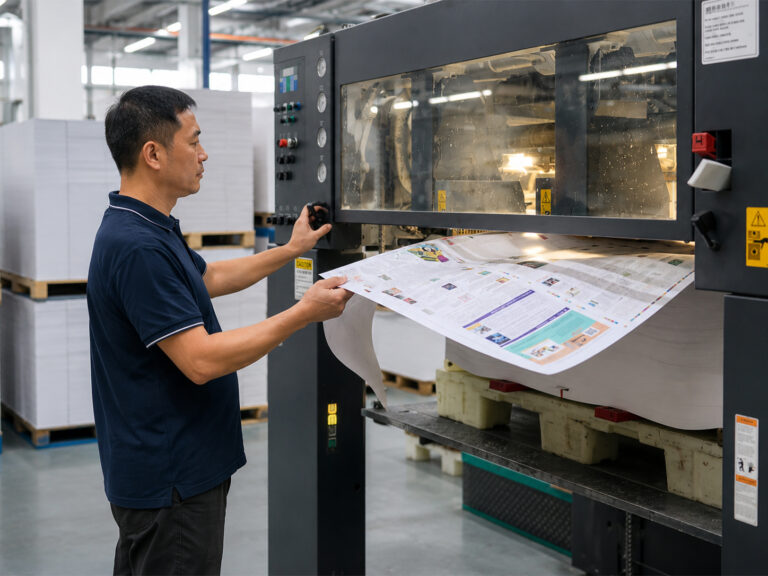
A printing quote is only as reliable as the specifications behind it. This guide explains exactly what buyers should provide, which missing details distort pricing, and how to compare quotations without being fooled by an artificially low total.

Offset printing lowers unit costs on predictable volume, while digital printing reduces setup, inventory, and version risk. This guide explains how publishers should compare total cost, color requirements, print quantity, binding, demand forecasts, and reprint strategy before selecting a production method.

Paper weight can make or break a children's book. This guide covers the right GSM for picture books, board books, and coloring books, what major print platforms use, and why the heaviest paper is rarely the smartest spec.


