Start Your Book Printing Project
Share a few details about your book. JetPrint will review your specifications and help you identify the suitable printing, paper, binding, and finishing options for your project.
Start Your Book Printing Project
Share a few details about your book. JetPrint will review your specifications and help you identify the suitable printing, paper, binding, and finishing options for your project.
Before You Go—Tell Us About Your Book
Share the specifications you already have. JetPrint will review your book format, paper, binding, finishing, quantity, and delivery requirements to help prepare your quotation.

Every finished book depends on connected decisions across files, paper, color, binding, finishing, and quality control. JetPrint helps publishers, independent authors, education teams, corporate buyers, brands, and print distributors turn those decisions into a clear production plan before manufacturing begins.

A book cannot be specified one element at a time. Trim size affects paper use. Paper affects book-block thickness. Book-block thickness determines the spine. Binding changes the cover file, while surface finishing changes artwork layers and production order. JetPrint reviews these relationships before the approved project moves into production.
Our capability review supports publishers, independent authors, education and training teams, corporate buyers, brand owners, and print distributors that need specifications to be quoted, approved, produced, and managed clearly.
The same production principles support hardcover and paperback books, board and children’s books, coloring and sticker books, manuals, journals, notebooks, and novels. Each format receives its own material, binding, file, and inspection priorities.
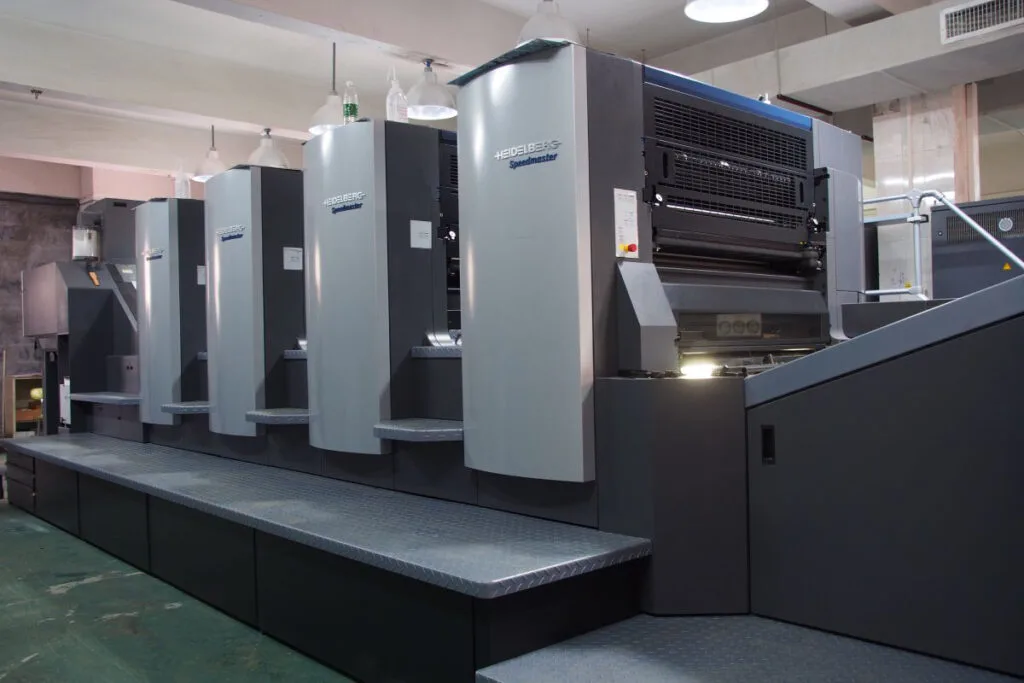
JetPrint reviews each project through three connected areas: production planning, physical book construction, and approval-based quality control. This helps expose specification conflicts before they affect files, materials, or finished books.
What We Handle:Trim size, pagination, bleed, color setup, cover dimensions, finishing files, and file-version identification.
Best For:New titles, revised editions, illustrated books, and multi-version projects.
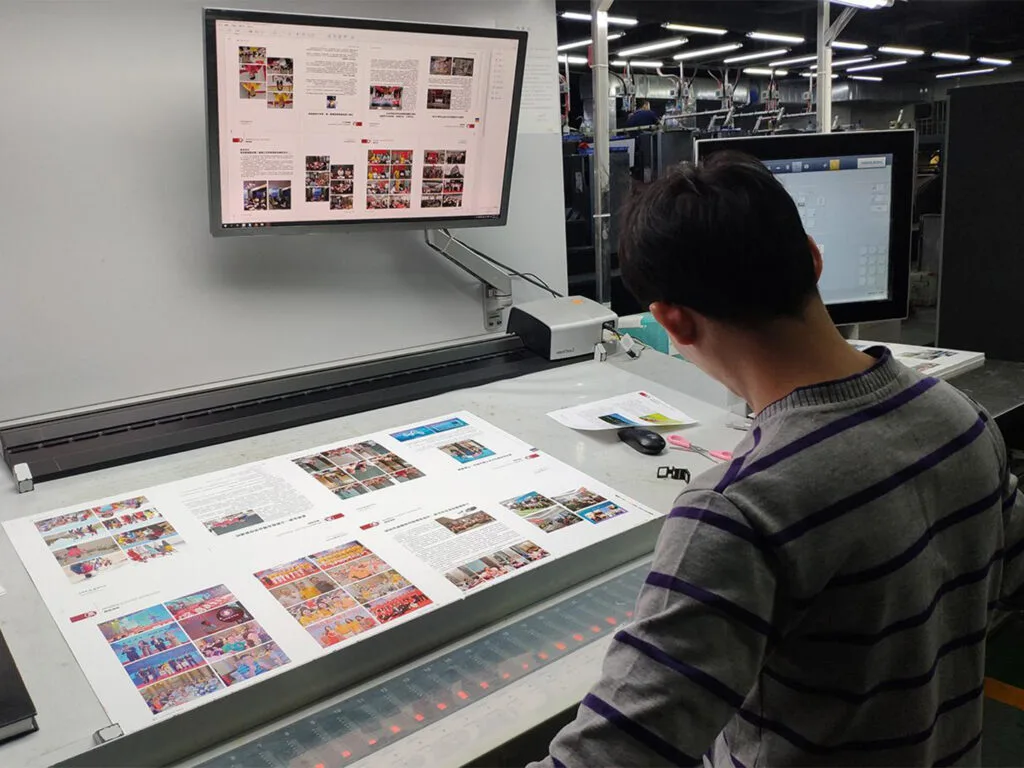
What We Handle:Print-route assessment, paper behavior, spine structure, cover construction, binding requirements, and finishing sequence.
Best For: Hardcover, paperback, board book, journal, manual, and novel projects.
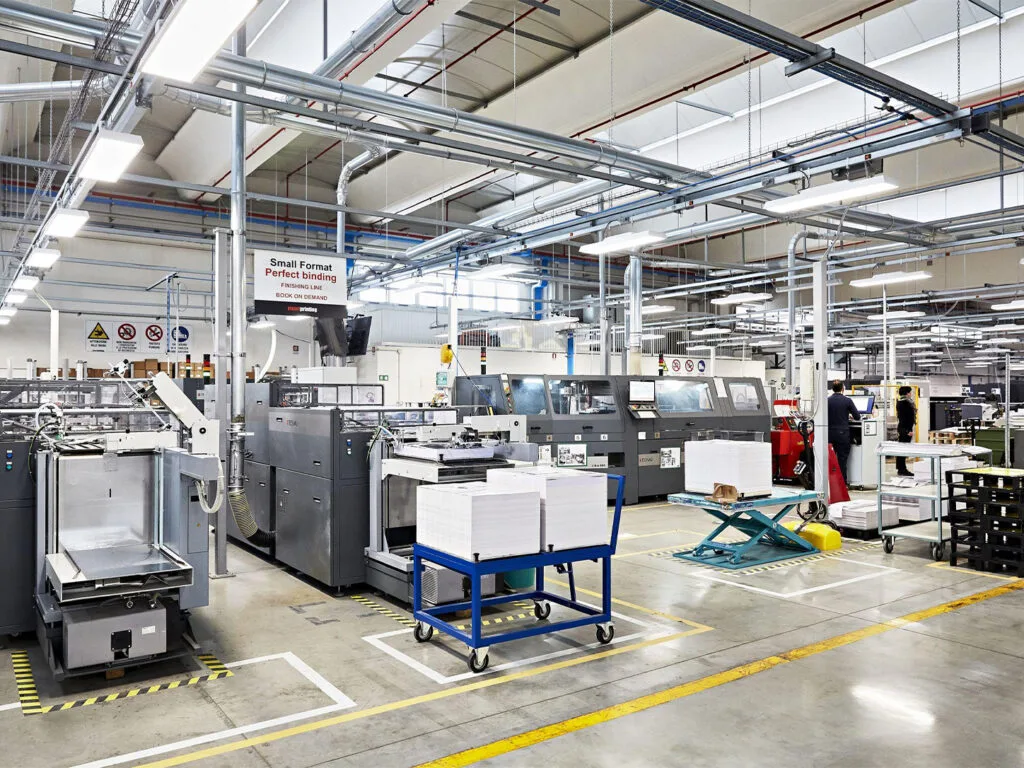
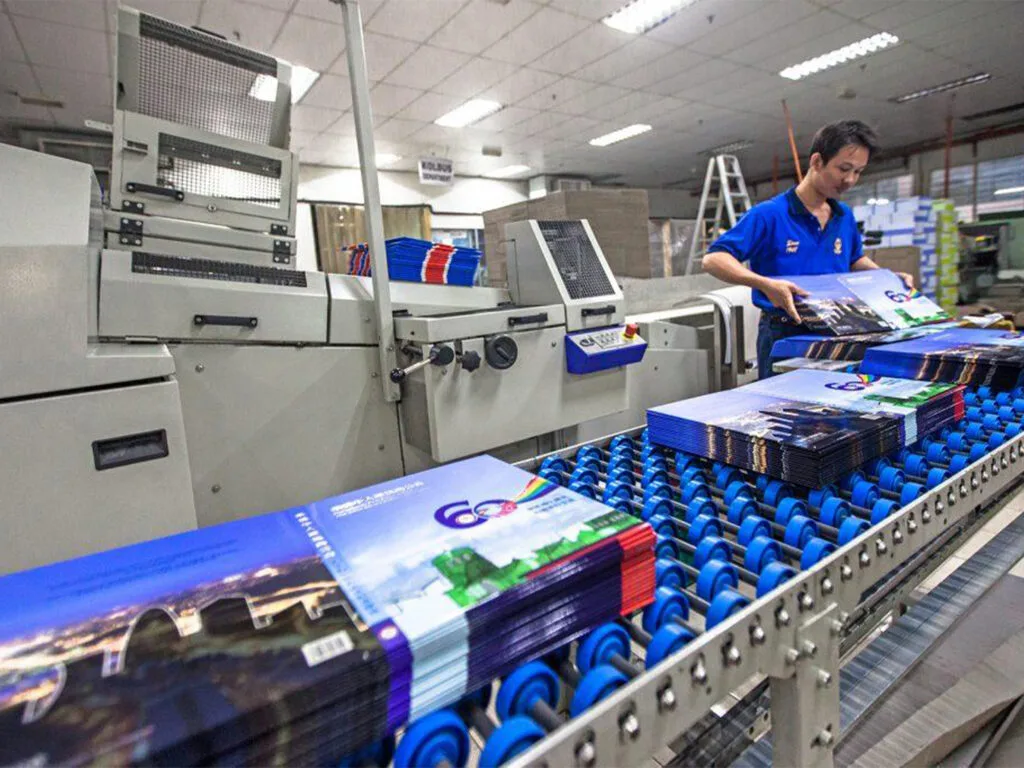
What We Handle:Approval priorities, reference versions, production checkpoints, finished-book inspection, and packing requirements.
Best For: Color-sensitive, frequently used, multi-component, or version-controlled projects.

A workable book specification must connect the intended use of the publication with its page format, paper, printing, binding, cover, and finishing requirements. JetPrint reviews these relationships before the production route and approval plan are finalized.
Trim size, page count, interior color, paper, binding, cover structure, and finishing cannot be assessed separately. JetPrint reviews whether the proposed choices work together and identifies details that must be resolved before quotation, proofing, or final cover preparation.
The appropriate production route depends on quantity, page format, paper, color coverage, version count, binding, finishing, and approval requirements. Buyers should identify black-and-white, full-color, mixed-color, or color-sensitive pages and supply references for branded colors, illustrations, or previous editions where applicable.
Spine width must be calculated from the final page count, selected text paper, and binding structure. Cover wraps, endpapers, jackets, folds, and requested surface effects also require different artwork setups. These elements should be coordinated before the exterior files are approved.
A proof should answer a defined production question. Content, pagination, color, paper appearance, binding structure, and finishing placement may require different approval references. JetPrint determines the appropriate review points after the files and specifications are assessed; proof availability, cost, and timing are confirmed for the individual project.
Confirm page order, intentional blank pages, image placement, cropping, headings, and the correct interior version before production. Editorial accuracy, spelling, image rights, and final manuscript approval remain the buyer’s responsibility.

Identify pages where color, paper appearance, opacity, surface character, or writing performance matters. Supply brand references, previous editions, or other agreed references when on-screen appearance alone is insufficient.

Confirm finished dimensions, spine construction, opening behavior, cover alignment, and the placement of requested surface effects. The approval method should reflect the specific structural risk of the book.
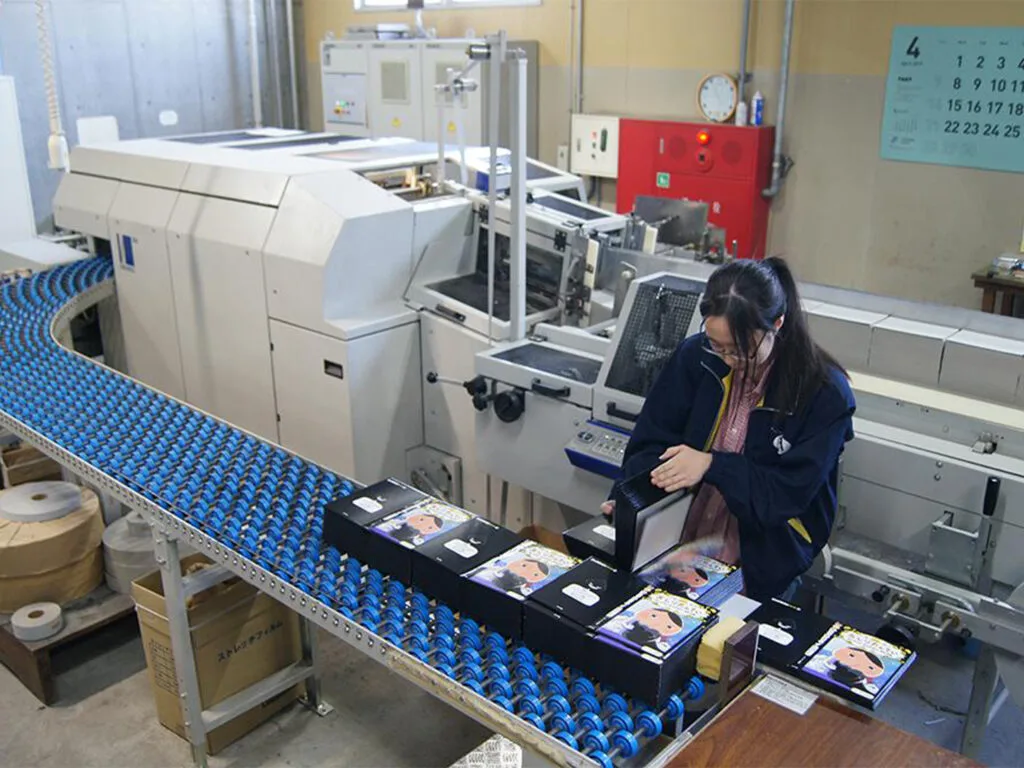
A visually complete PDF may still contain production problems. JetPrint’s prepress review checks whether the supplied files correspond with the approved trim size, page structure, paper, binding, cover construction, and finishing requirements.
Review points include page size, orientation, bleed, safe areas, page sequence, blank pages, image resolution, color settings, and font handling. This technical review does not replace editorial proofreading.
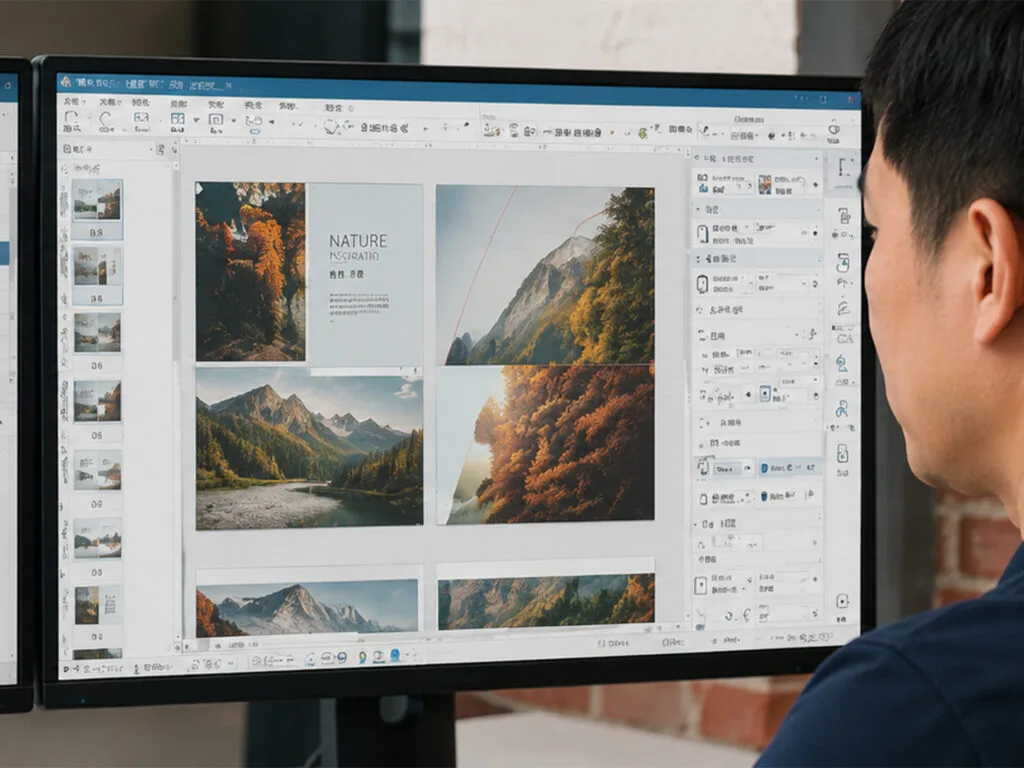
The cover file is reviewed against the final book-block specification. Hardcover cases, paperback covers, endpapers, and jackets require different layouts, folds, wrap areas, and spine calculations.
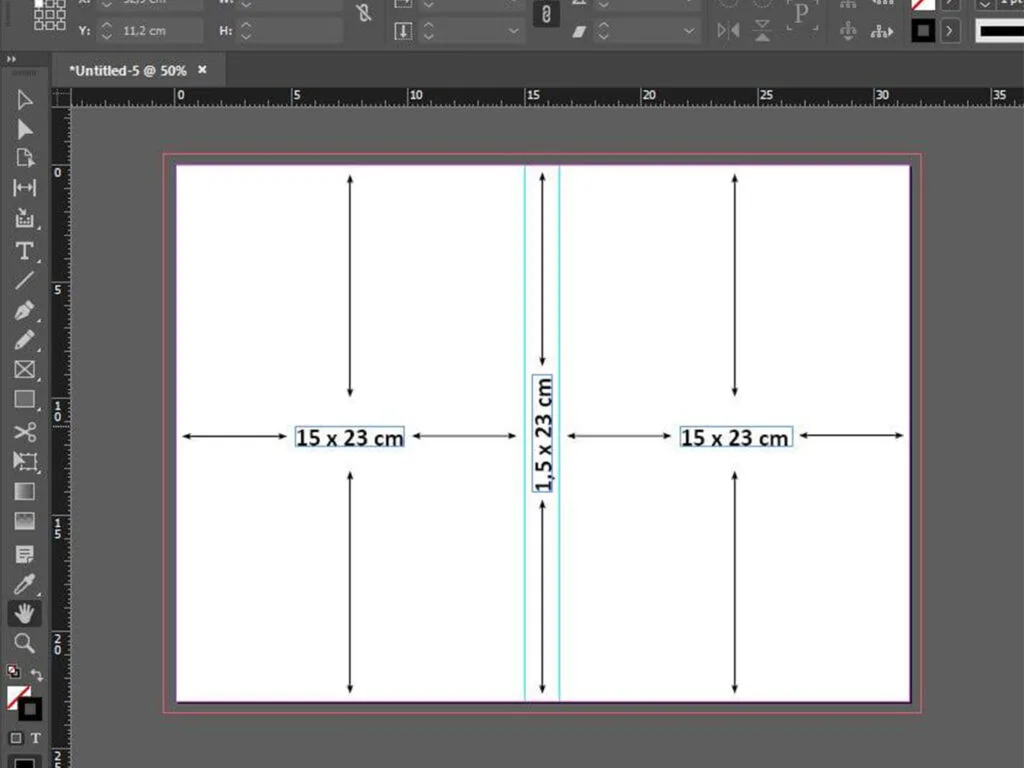
Requested foil, embossing, debossing, spot surface effects, or cutting elements may require separately named files or layers. Position, dimensions, color references, and relationships to folds, edges, and spines must be clear before approval.

Material and construction choices influence reading comfort, image reproduction, writing performance, book-block thickness, spine appearance, opening behavior, weight, and durability. They should therefore be defined as connected production decisions rather than isolated options.
Text paper should be evaluated for readability, opacity, page-block thickness, folding behavior, writing performance, and book weight. The intended use of the publication should guide the final material requirement.
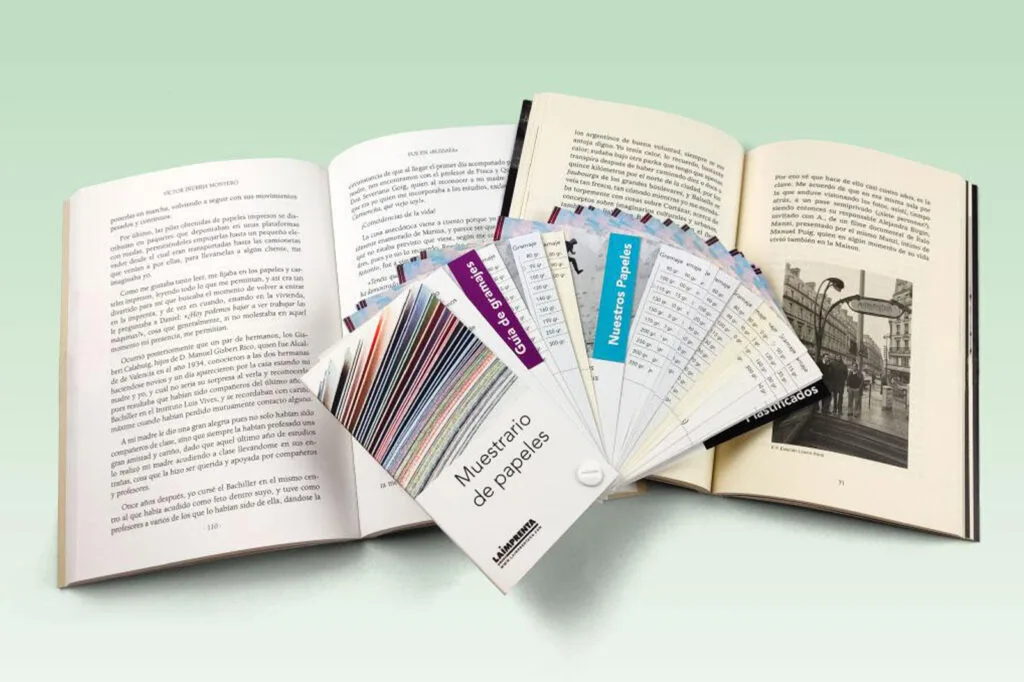
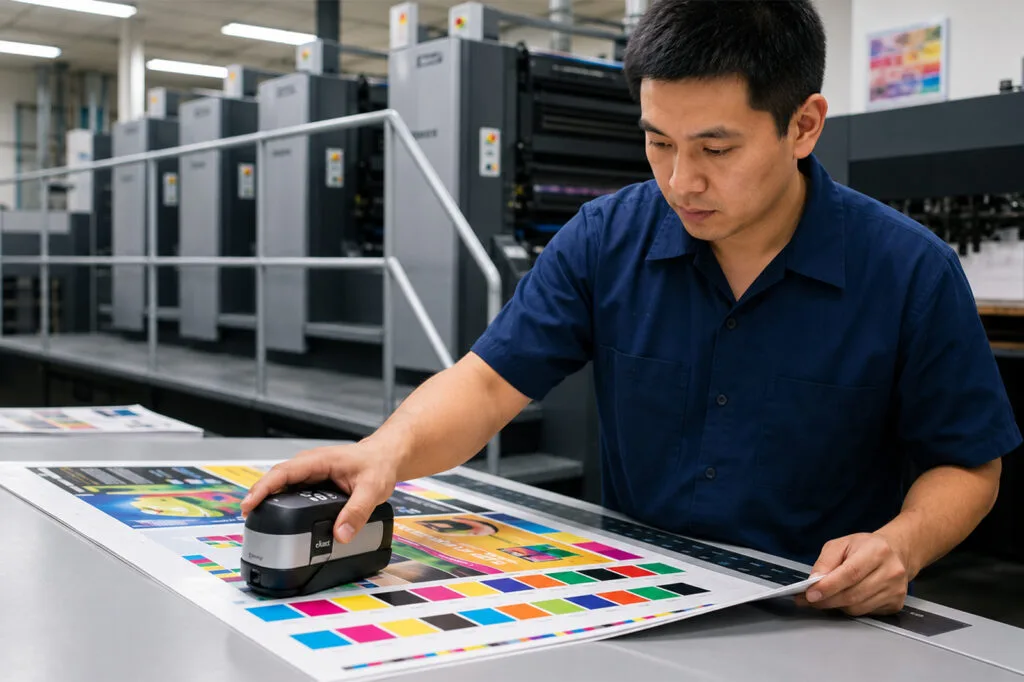
Color planning should account for interior configuration, image coverage, paper surface, illustrations, brand references, and consistency across titles or editions. Printed color should be assessed against an agreed reference rather than a screen alone.
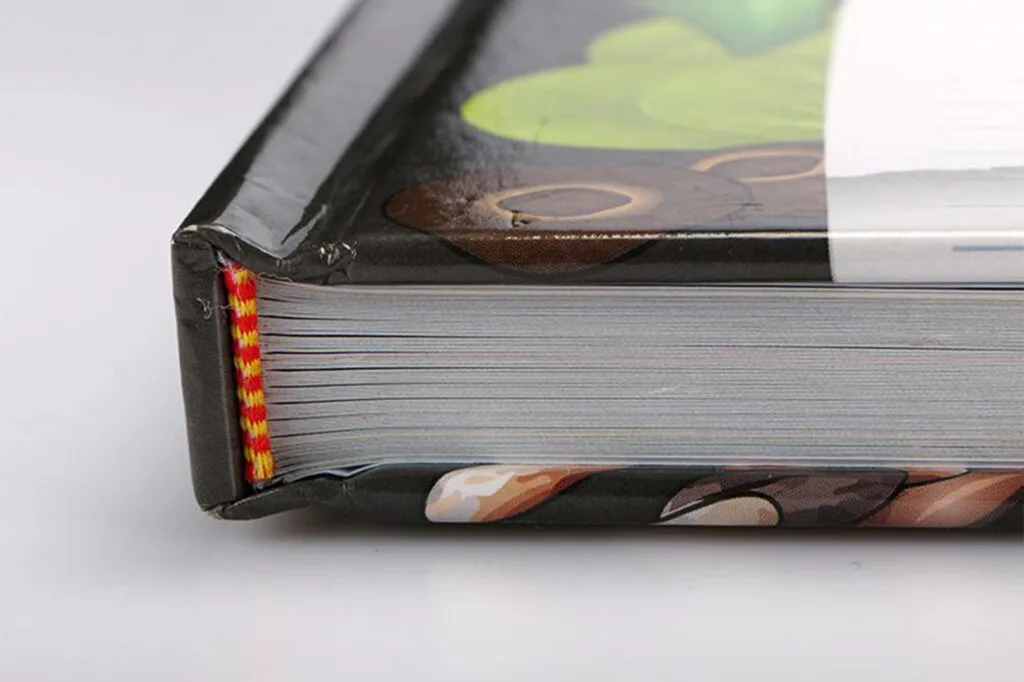
The book block, spine, cover, endpapers, jacket, lamination, and requested decorative effects must work as one construction. Binding and finishing feasibility is reviewed against page count, paper, trim size, cover material, and intended opening behavior.
The workflow moves from the buyer’s initial specification to an identified approved version, coordinated production requirements, and inspection criteria for the finished books.
Provide the book type, trim size, page count, quantity, interior color, preferred paper, binding, cover structure, finishing requirements, file status, and delivery destination.
JetPrint reviews the relationship between the page format, paper, printing, binding, spine, cover, and finishing requirements and identifies missing or conflicting information.
The required interior, cover, and finishing files are identified. The project plan also states what must be approved for content, pagination, color, material, structure, or finishing.
After commercial details and approvals are completed, the applicable printing, binding, finishing, and project-specific inspection points are coordinated around the approved specification.
Finished books are assessed against the approved files, materials, construction requirements, and identified references before the confirmed packing requirements are applied.
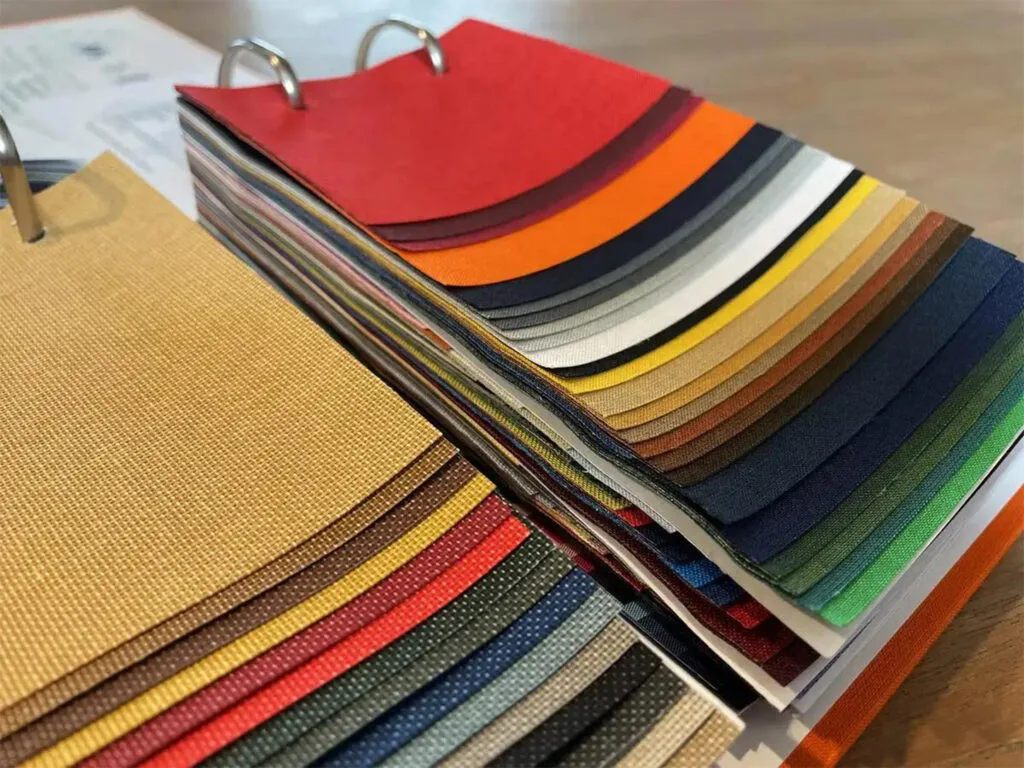
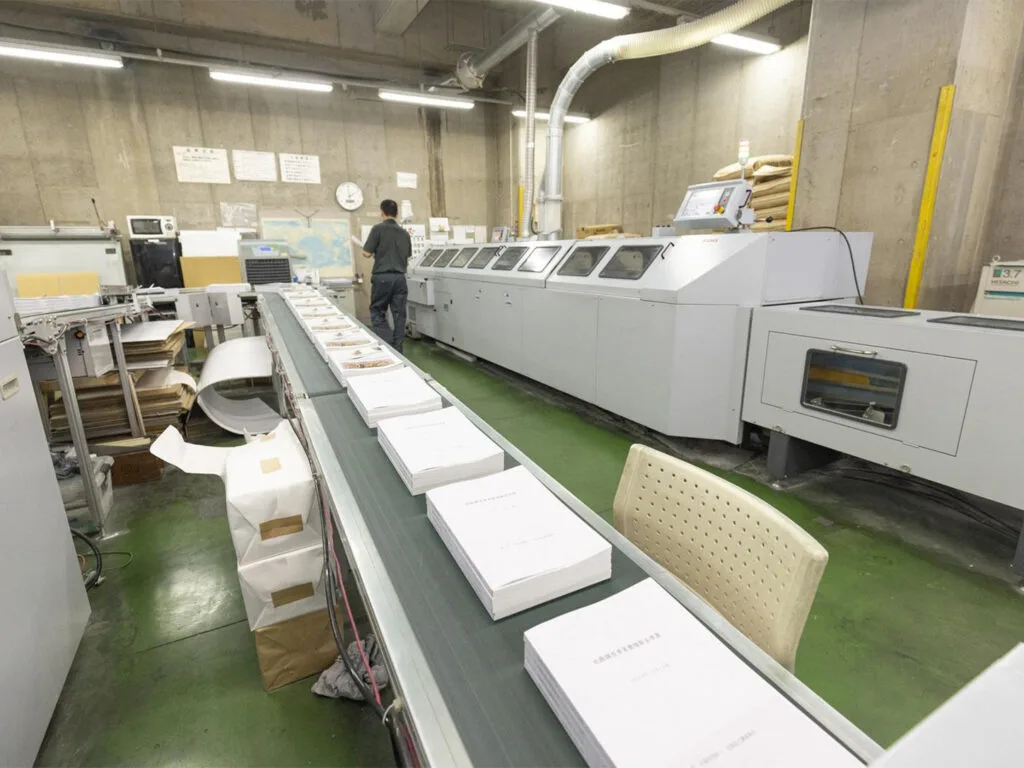

Send the information already available and clearly identify any areas where you need production guidance. A structured enquiry helps JetPrint distinguish confirmed requirements from specifications that still need to be selected.
Provide the book type, intended use, finished trim size, orientation, page count, required quantity, and whether the project contains one title or multiple titles and versions.
State the interior and cover color configuration, preferred paper or required paper performance, binding format, cover construction, and requested surface finishes or additional components.
Explain whether the interior and cover files are complete. Include previous editions, physical references, brand-color information, proofing priorities, and the person or team responsible for final approval.
Provide the delivery city and country, required packing information, target delivery requirement, and any FSC claim or order-documentation requirement that must be reviewed before production.
Find answers about specification review, prepress, proof planning, paper, color, binding, finishing, quality control, FSC requirements, and the information JetPrint needs to assess a book project.
Provide the book type, intended use, trim size, page count, quantity, interior and cover color, preferred paper, binding, cover structure, finishing requirements, file status, and delivery destination. If some choices are undecided, explain the required appearance and performance.
JetPrint can review production-related conditions such as page size, pagination, bleed, image resolution, color setup, fonts, cover dimensions, and finishing artwork. The review scope depends on the final book specification.
No. Prepress review addresses production conditions rather than spelling, grammar, factual accuracy, image rights, or manuscript editing. The buyer remains responsible for final content and editorial approval.
The production route is assessed from quantity, format, paper, color coverage, version count, binding, finishing, and approval requirements. The selected route should be stated in the quotation or project specification.
Approval may cover content, pagination, image placement, color, paper appearance, binding structure, cover dimensions, or finishing placement. The required approval points are defined according to the risks of the individual project.
Paper affects readability, opacity, image appearance, writing performance, folding, page-block thickness, spine width, book weight, and opening behavior. It should be selected before the final cover and spine files are approved.
Spine width should be calculated after the final page count, text paper, and binding structure are established. A cover file should not be approved using a provisional spine measurement.
Requests such as lamination, foil, embossing, debossing, spot surface effects, and die-cut elements can be reviewed against the selected cover material and book structure. Final feasibility and artwork requirements must be confirmed before approval.
Quality is assessed against approved files, materials, dimensions, construction requirements, and identified references. Depending on the project, checkpoints may cover prepress, printing, binding, finishing, finished-book inspection, and packing.
Eligible projects may be planned under the current FSC Chain of Custody certificate RINA-COC-005174 when the material, applicable claim, and documentation route meet the relevant requirements. FSC coverage is not automatic for every order.
Use clearly named files, a title or SKU list, version identifiers, and an approval record for each variation. The production grouping and shared or title-specific specifications should be defined during project review.
Price and scheduling depend on the complete specification, quantity, materials, binding, finishing, approval route, file readiness, packing, and destination. Project-specific commercial details can be confirmed after these inputs are reviewed.
Tell us about your book project and share the specifications currently available. JetPrint will review your files, format, paper, printing, binding, finishing, proofing requirements, and delivery destination before preparing the next project step.