Empieza tu proyecto de impresión de libros
Cuéntanos algunos detalles sobre tu libro. JetPrint revisará tus especificaciones y te ayudará a elegir las opciones de impresión, papel, encuadernación y acabado más adecuadas para tu proyecto.
Empieza tu proyecto de impresión de libros
Cuéntanos algunos detalles sobre tu libro. JetPrint revisará tus especificaciones y te ayudará a elegir las opciones de impresión, papel, encuadernación y acabado más adecuadas para tu proyecto.
Empieza tu proyecto de impresión de libros
Cuéntanos algunos detalles sobre tu libro. JetPrint revisará tus especificaciones y te ayudará a elegir las opciones de impresión, papel, encuadernación y acabado más adecuadas para tu proyecto.
Antes de irte, cuéntanos algo sobre tu libro
Facilítanos los datos técnicos de los que ya dispongas. JetPrint analizará el formato de tu libro, el tipo de papel, la encuadernación, los acabados, la tirada y los requisitos de entrega para ayudarte a elaborar tu presupuesto.
Turn your finished manuscript or book concept into professionally specified printed books with Custom Book Printing. Configure book format, trim size, binding, interior paper, cover construction, printing requirements and quantity for publishing, business, educational or creative projects. Submit your specifications to discuss production requirements and obtain a quotation.

A custom book printing service is suitable for projects that require control over the physical format and appearance of the finished publication. Rather than choosing a generic configuration, buyers can define the specifications that matter to their particular book and intended audience.
Typical projects may include books created by authors and self-publishers, publishing companies, businesses, schools, organizations, agencies, designers and other buyers sourcing professional book production. The requirements for a corporate publication may differ substantially from those of a novel, visual portfolio or educational title.
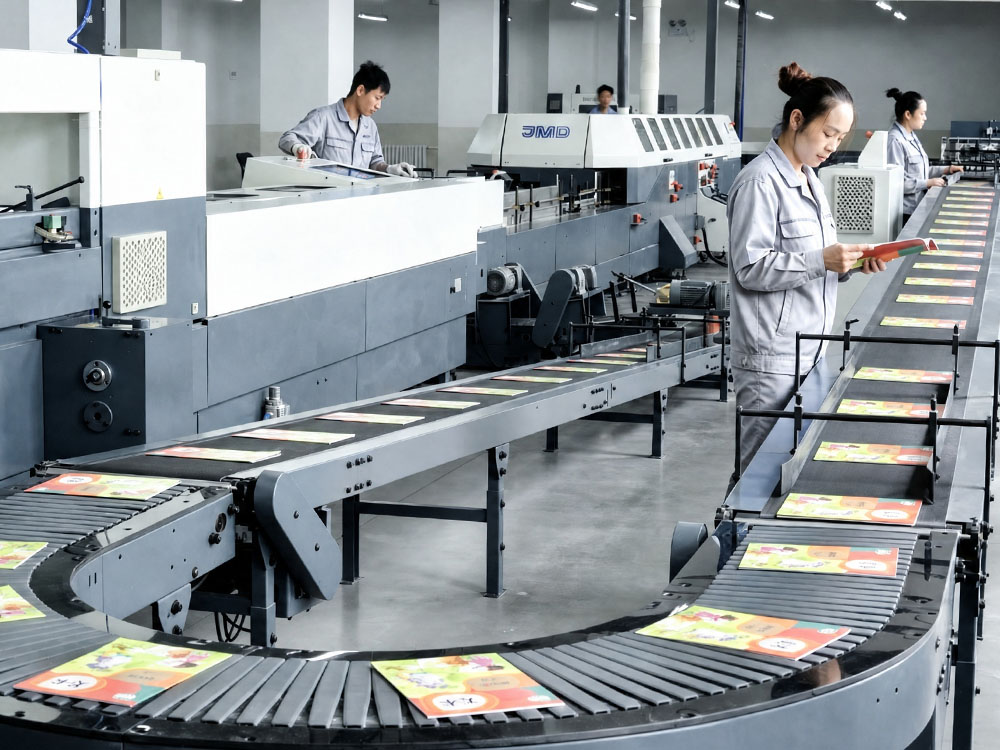
Before approaching a book printer, establish the intended use of the book, expected quantity, content type and desired finished appearance. These decisions make it easier to compare printing options and prepare an accurate production specification.
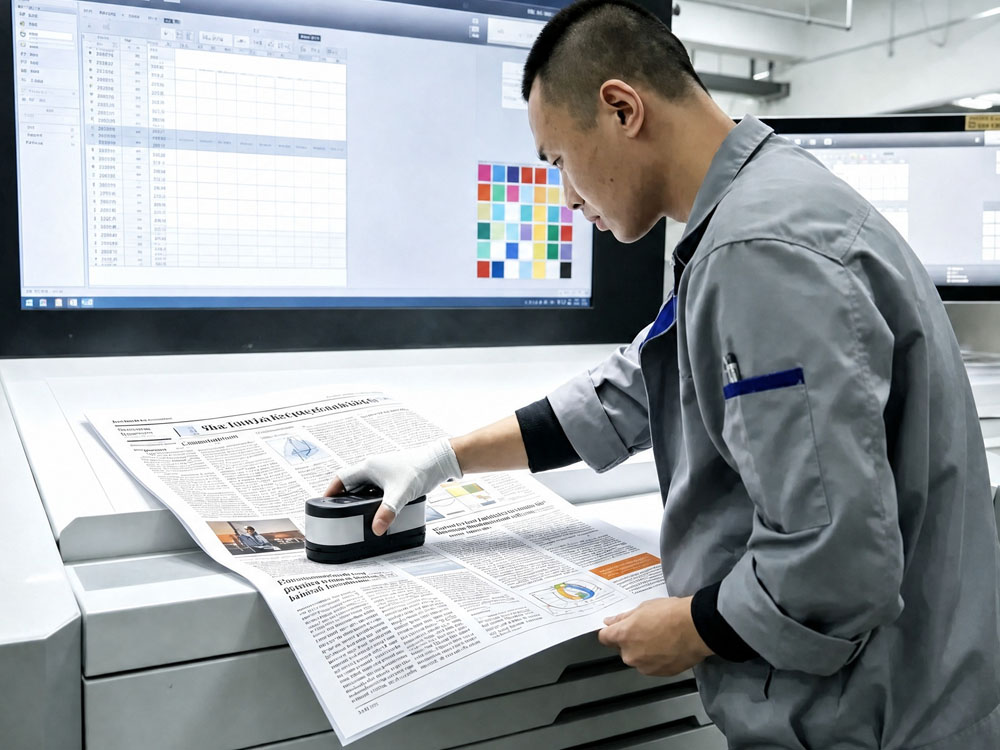
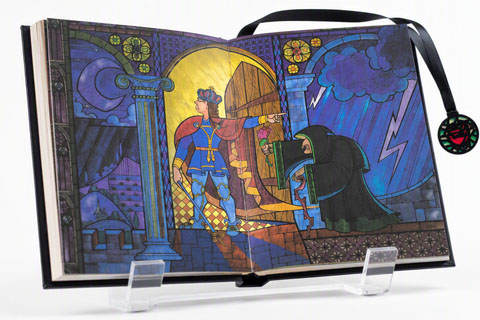
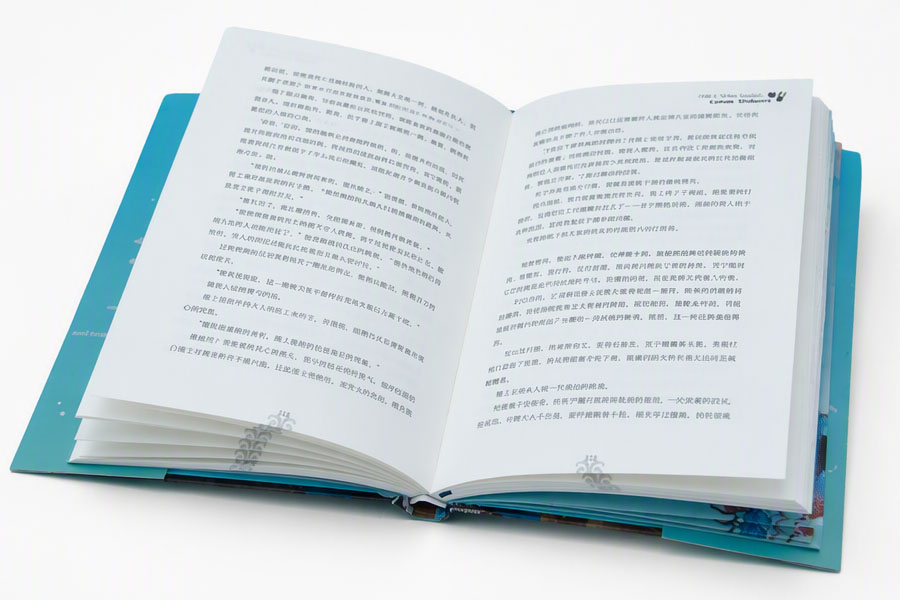
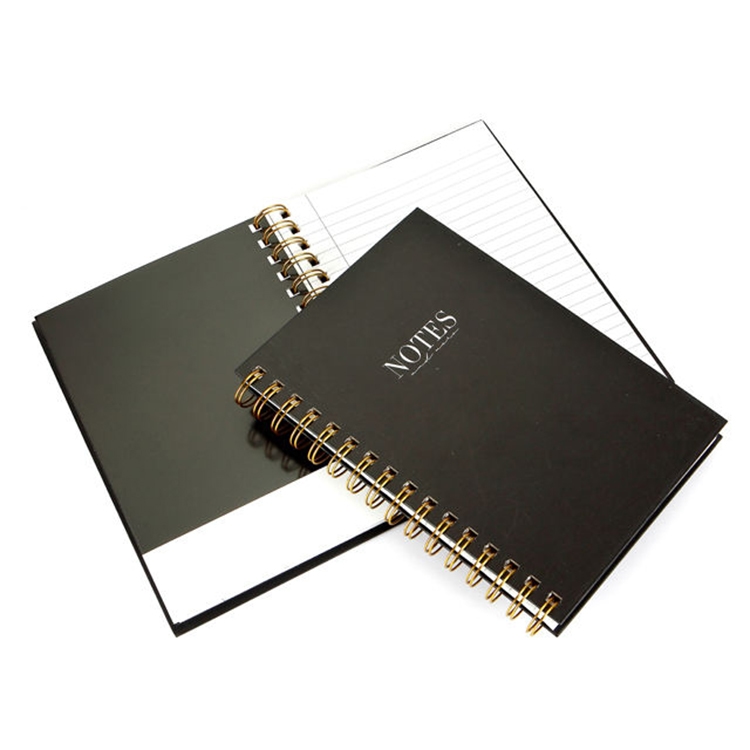
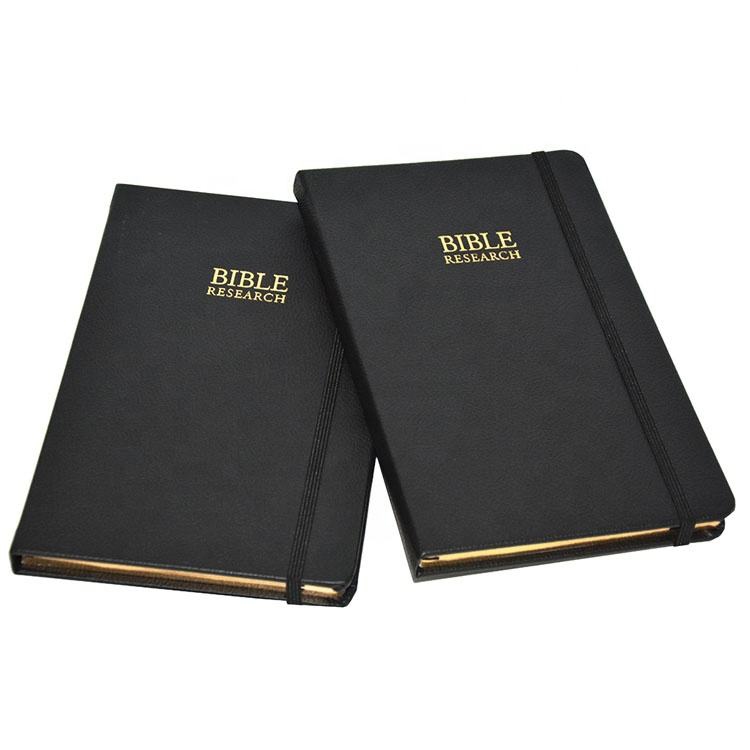
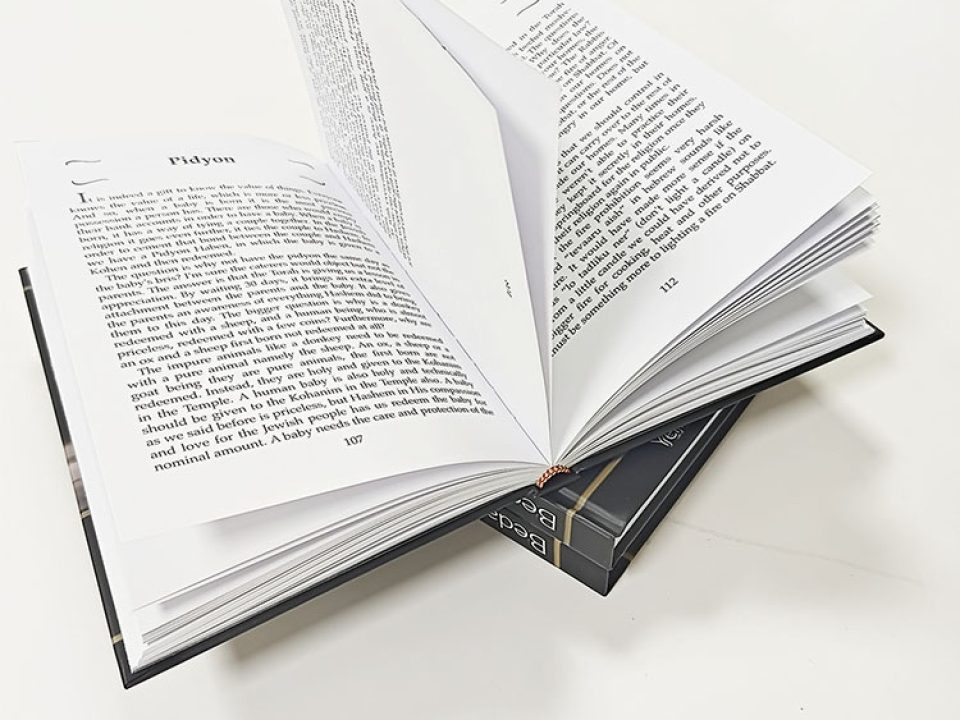
The appropriate book format depends on how the publication will be used, handled and presented. Common applications can include hardcover books, paperback books, photo books, cookbooks, yearbooks, portfolios, pocket books and graphic novels.
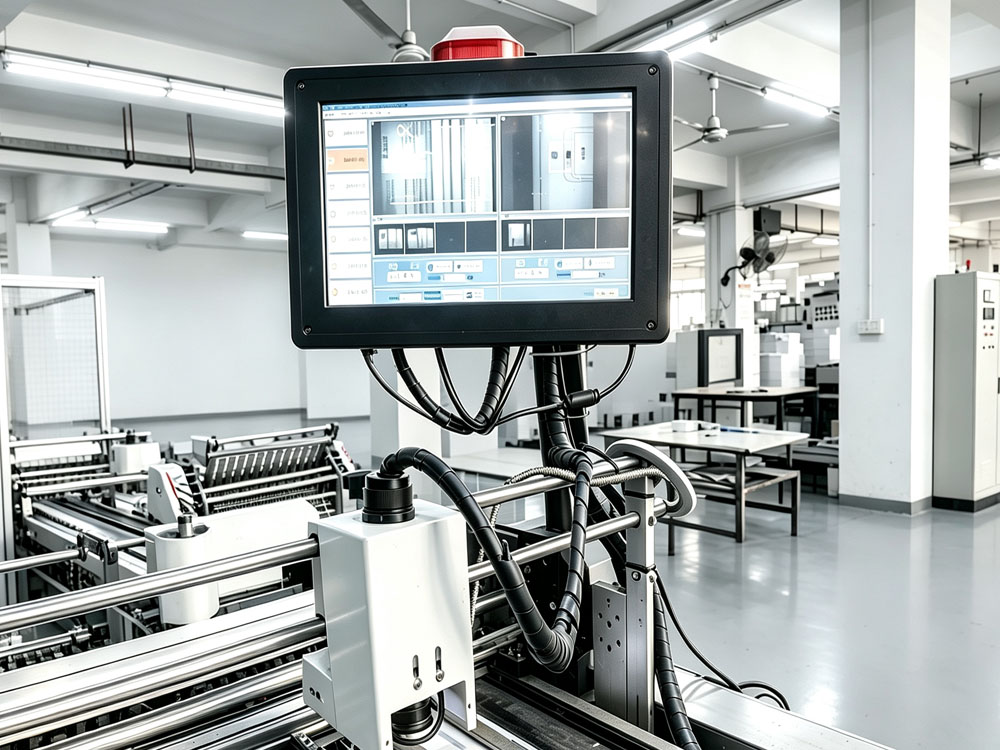
Image-heavy publications such as a photo book, art portfolio or graphic novel usually place greater emphasis on image reproduction, paper selection and page presentation. Text-focused books may prioritize readability, practical binding and efficient page construction. Cookbooks, reference publications and yearbooks may require different combinations of durability, page count and visual presentation.
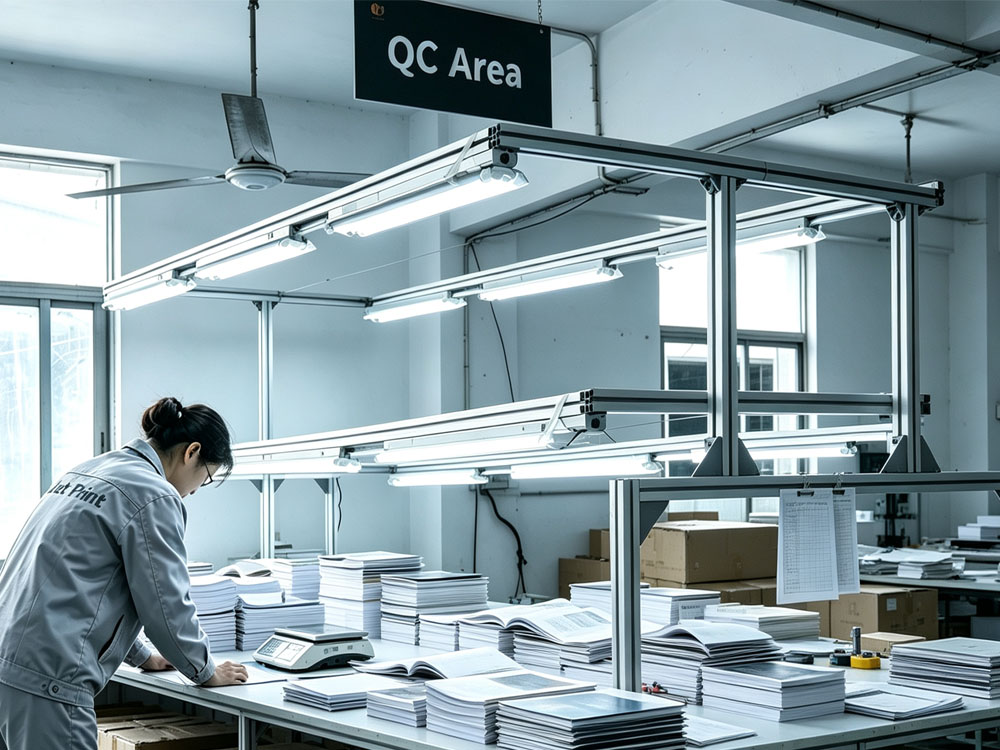
The application therefore influences more than appearance. It can affect book size, paper stock, cover construction, binding and overall production requirements. Buyers should define the book's intended purpose before finalizing specifications.
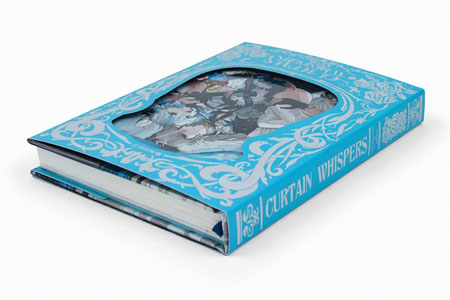
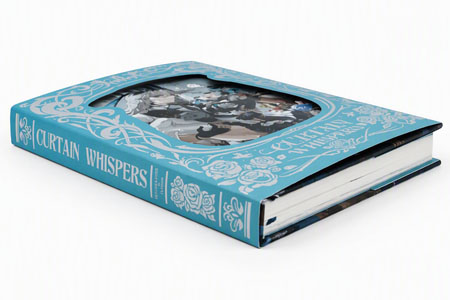
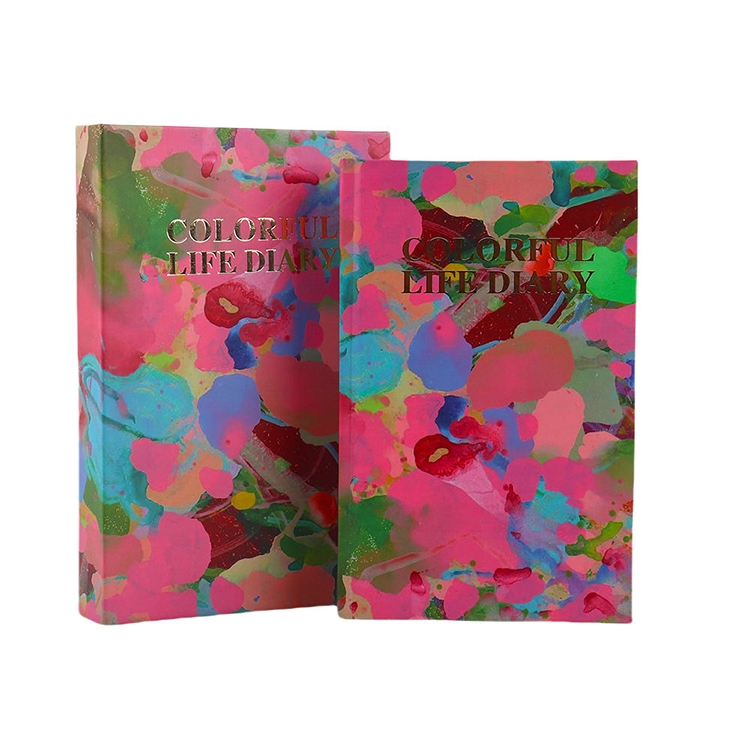
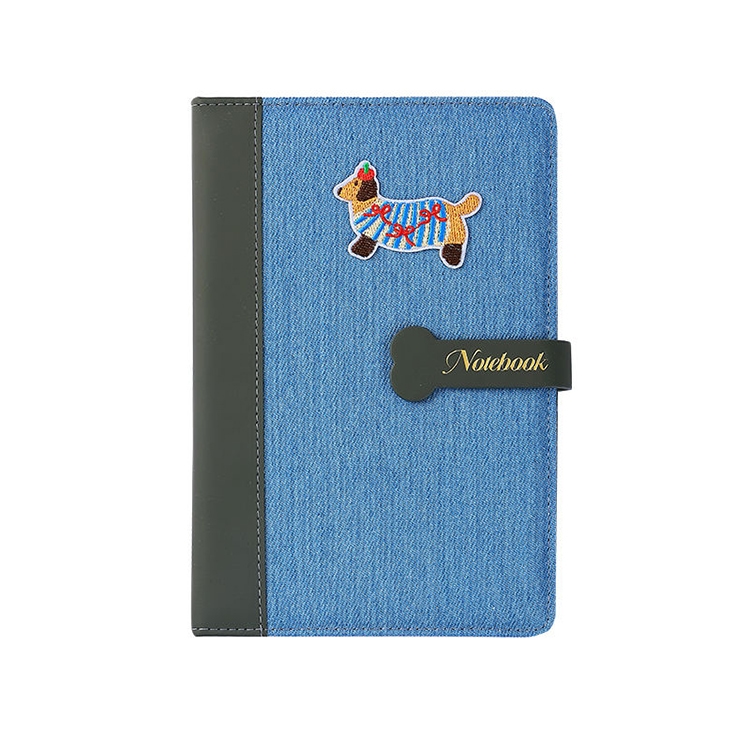
Hardcover and paperback constructions create different physical products and should be evaluated according to use, presentation, durability and project economics.
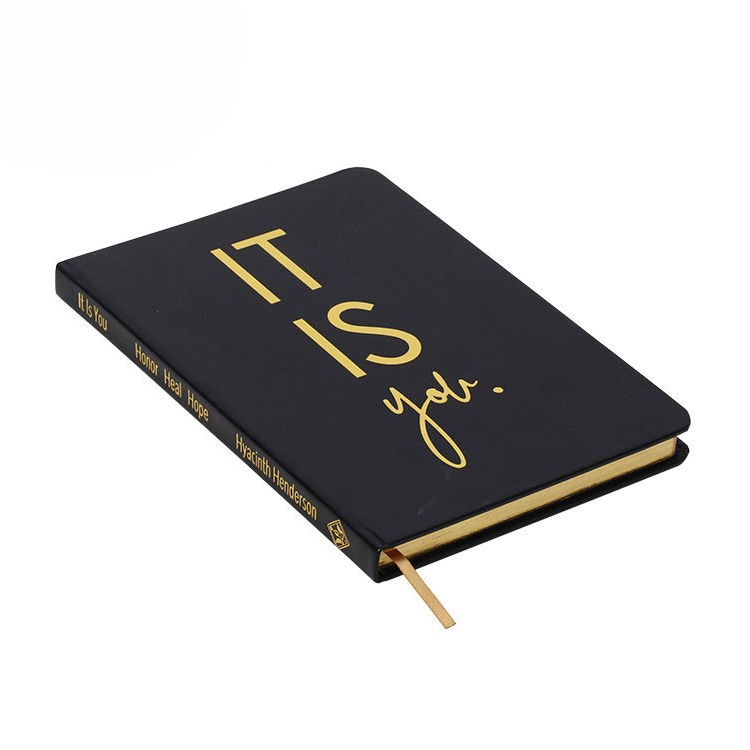
Hardcover construction is commonly considered when a substantial, presentation-oriented or long-lasting finished book is required. Paperback construction can provide a lighter and more economical format for many publishing and commercial applications.
The final decision should also consider page count and the intended binding method. Perfect binding, for example, is commonly associated with paperback-style books, while other binding options may suit different page structures and usage requirements.
When comparing binding options, evaluate how frequently the book will be handled, how it should open and feel, whether spine presentation matters and how the construction supports the intended positioning of the publication. Confirm the required construction with your selected printing supplier before production.


Physical specifications determine the look and feel of a book and are essential when preparing a quotation. Important variables include finished trim size, page count, paper stock, interior printing and cover requirements.
Book size influences page layout, text proportions, image placement and overall presentation. Page count can also interact with binding and spine construction, while paper selection affects thickness, opacity, surface character and the way printed content appears.
For interior pages, identify whether the content is primarily black text, full color, photography, illustrations or a combination. Different paper types and paper options can create noticeably different reading and handling characteristics.
A clear specification should therefore connect format, page count, paper and printing requirements rather than treating each choice independently. This helps the printer assess the project as a complete manufacturing specification.
Accurate file preparation helps reduce unnecessary revisions before production. Buyers should prepare both the interior layout and cover design according to the final dimensions and construction of the book.
A production-ready PDF file normally needs to reflect the chosen trim size and include the required page sequence, images, typography and layout. Artwork extending to the edge of a printed page generally requires bleed, while important text and design elements should remain safely inside trimming boundaries.
The book cover design requires particular attention because the finished cover may include the front, back and spine. Spine dimensions can depend on factors such as page count, paper and construction, so buyers should obtain the relevant production requirements before finalizing the cover file.
If a printer provides a template or file specification, follow it when preparing the final print file. Do not assume that design correction, proofreading or artwork modification is included unless the supplier confirms those services.
The right approach to printing a book depends partly on quantity. A project requiring a small print run may have different production priorities from one involving placing a larger order for distribution, retail, education or corporate use.
Some providers specialize in short runs, while others may support larger-volume manufacturing. Print on demand and single-copy production are additional models available from some providers, but buyers should verify whether one copy, a single book or 1 copy production is actually supported before relying on that approach.
Quantity should be evaluated together with specifications rather than in isolation. Binding, format, paper, color requirements and finishing can all influence which production method is appropriate.
When comparing a printing service, provide the same project specification to each potential supplier. This makes quotation and manufacturing comparisons more meaningful than evaluating quantity alone.


A well-defined printing project typically progresses through several commercial and production stages:
The exact workflow varies by supplier and project. Buyers should confirm file review, approval, production, packing and logistics procedures before placing an order rather than assuming that every printer follows the same process.
A detailed request helps a printer understand the project and reduces back-and-forth during quotation. Before requesting pricing, prepare as much of the following information as possible:
If some specifications are still undecided, identify the areas where you need to compare alternatives. A clear brief allows the supplier to discuss appropriate options without relying on assumptions.
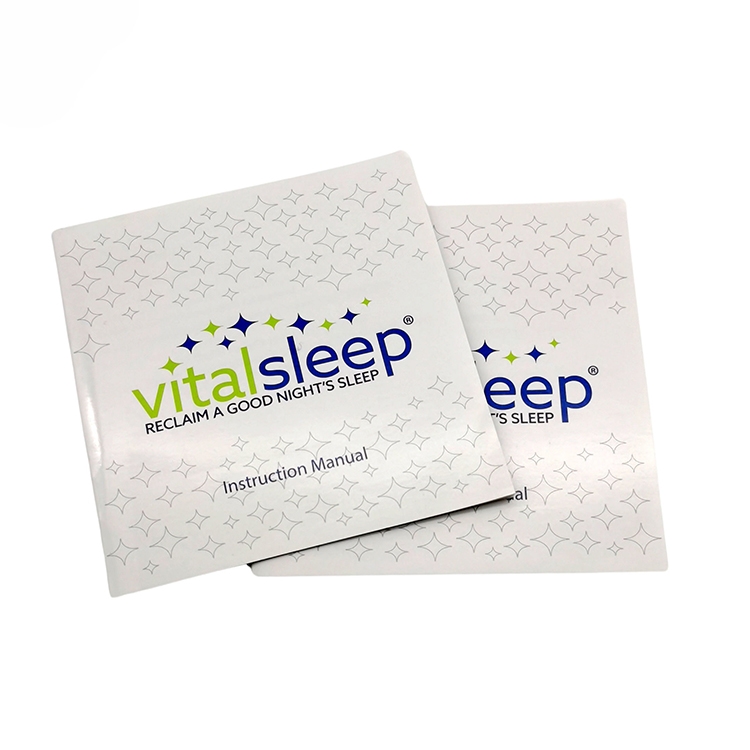


Explore book formats, constructions and related custom book printing services that can be configured around different publishing, commercial and creative production requirements.



Explore practical resources covering book specifications, binding, materials, print preparation and other production decisions before starting your custom printing project.